When people buy land for development, they often trust what they can see. The site looks flat. The area feels stable. Nearby buildings seem fine. Because of that, many buyers believe the land is ready to build on. However, the biggest problems often sit below the surface. This is why a due diligence survey matters. When survey data works together with soil boring information, it helps project teams find problems early. As a result, designs improve, costs stay under control, and projects move forward with fewer surprises.
Why Looking at the Surface Is Not Enough
Walking a site only tells part of the story. While land may look solid, soil conditions can change just a few feet below ground. Weak soil layers, soft sand, or shallow groundwater may exist without any visible signs.
When teams skip early checks, designers must guess. Those guesses often lead to foundations placed on weak soil, drainage systems that fail, or grading plans that do not work.
A due diligence survey helps stop this cycle. Instead of guessing, teams use real data from the site.
What a Due Diligence Survey Really Tells You
Many people think surveys only show property lines. While boundaries matter, a due diligence survey focuses on whether the land can support a planned project.
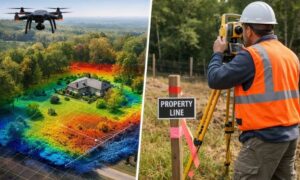
This type of survey gathers important site details, such as boundaries, elevation changes, access points, utilities, and limits that affect construction. More importantly, it creates a clear base map where soil boring data can be placed and understood.
Because of this, soil information becomes part of the design process instead of a separate report that gets ignored.
How Soil Boring Data Improves Design Decisions
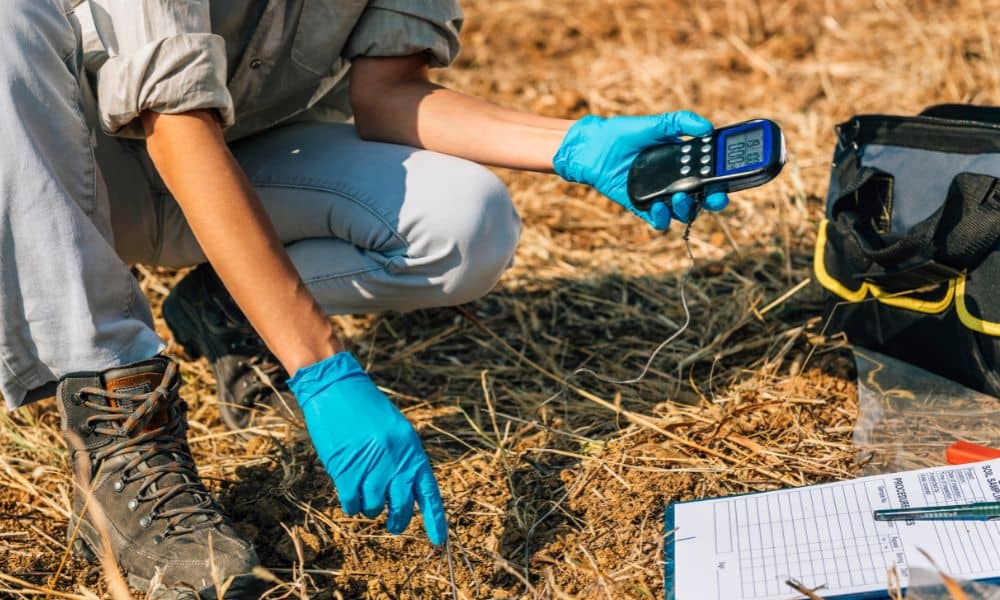
Soil borings help engineers see what lies under the ground. By drilling at key spots, they learn how soil changes with depth and where problem layers exist.
This data shows soil strength, water levels, and materials that may not support building loads. Still, soil data only helps when teams know exactly where those conditions exist.
That is where the due diligence survey plays a key role.
Surveyors mark each boring location using accurate measurements. Because of this, designers know which parts of the site can support shallow foundations and which areas need extra support.
Why Survey Accuracy Makes Soil Data Useful
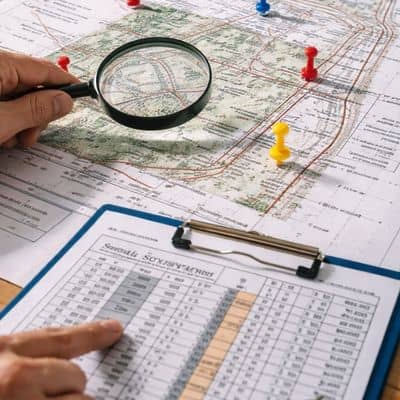
Without accurate survey data, soil boring results lose value. General notes about soil conditions do not show how problems affect a site layout.
A due diligence survey fixes this issue by tying soil data to real locations on the map. Designers can adjust building placement, grading, and drainage plans early instead of reacting later.
As a result, teams avoid conflicts before construction begins.
The Design Problems This Process Helps Prevent
Many design issues share one main cause: missing site information.
When soil conditions are not mapped correctly, foundations may sit on weak ground. Drainage systems may fail because groundwater levels were not considered. Pavement may crack early due to unstable soil below.
Each problem leads to delays and higher costs. In contrast, a due diligence survey allows teams to solve these issues while changes still cost less.
Why Coastal and Low-Lying Areas Face More Risk
In coastal and low areas, soil conditions change quickly. Sandy soil, organic layers, and shallow groundwater often appear within short distances.
Because of this, data from nearby sites may not apply. What worked on one property may fail on the next.
A due diligence survey focuses only on the property being evaluated. When paired with soil boring data, it gives clear, site-specific answers instead of assumptions.
Why Timing Makes a Big Difference
The value of a due diligence survey depends on when it happens. Ordering it after designs are finished limits its impact.
When teams start early, they gain flexibility. They can adjust designs before permits, financing, and schedules become fixed. As a result, decisions stay calm and planned instead of rushed.
This is why experienced developers treat due diligence as a first step, not a final check.
How This Approach Protects Cost and Schedule
Changes during construction always cost more than changes during planning. Early survey and soil work reduce surprises that cause redesigns later.
A due diligence survey supports better planning, smoother approvals, and fewer delays. Most importantly, it helps projects stay on budget and on schedule.
Final Thoughts
Design errors rarely happen because teams ignore quality. More often, they happen because key information arrives too late.
A due diligence survey that includes soil boring data gives teams clear answers from the start. It helps them design with confidence, avoid costly mistakes, and move forward without fear of hidden problems.
In the long run, understanding the ground below your site is one of the smartest decisions you can make.