Rezoning fights rarely begin with measurements. They usually begin with concern. Neighbors worry about traffic. Owners worry about property value. Developers present new plans. Public meetings get tense very quickly. However, once a proposal moves past early discussion, something changes. Emotions step back and documents take center stage. At that point, one document often carries more weight than expected — a boundary survey.
During a rezoning conflict, people stop debating ideas and start debating lines on a map. Where exactly does the parcel begin? How wide is the frontage? Where should buffers be measured from? Those questions decide outcomes. That is why a boundary survey often becomes the turning point in heated development disputes.
Rezoning Plans Look Precise — But Early Maps Often Aren’t
At first glance, rezoning concept plans look polished and final. They show building layouts, access drives, green space, and setbacks. Because of that, many people assume the property lines on those drawings are fully verified.
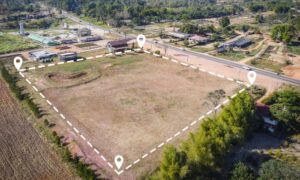
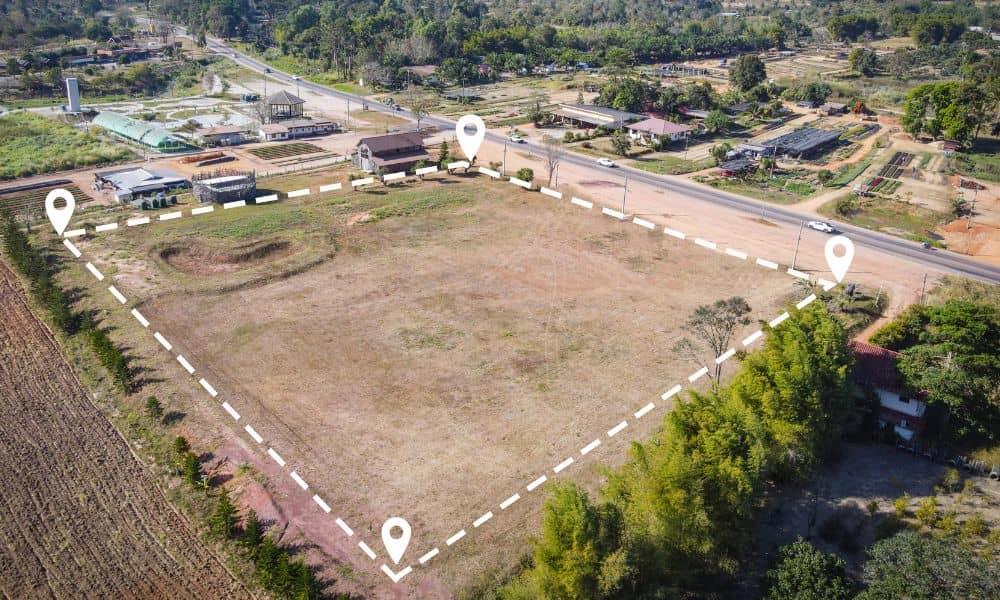
In reality, early plans often rely on scaled GIS maps or older record plats. They help designers show intent, but they do not always reflect fresh field measurements. As a result, the boundary lines on the proposal may sit a few feet off from the legal boundary on the ground.
That small gap may not sound serious. Still, in rezoning math, a few feet can change everything. When someone brings in a current boundary survey, those small differences suddenly become very important.
When the Numbers Change, the Debate Changes
Rezoning approvals depend on measurements more than most people realize. Density limits tie to parcel size. Access rules tie to frontage width. Buffers tie to boundary distance. Therefore, when boundary numbers shift, the entire proposal can shift with them.
For example, a development plan may show enough road frontage to qualify for approval. Later, a boundary survey proves the parcel falls short. Instantly, the project needs redesign or variance review.
In another case, a buffer may appear compliant on the concept drawing. After field measurement, the true line sits closer to neighboring property. Now the buffer fails. Reviewers must reconsider the layout.
Because of this, once verified boundary data enters the conversation, officials often revisit earlier assumptions.
Why Neighbors Bring Boundary Surveys Into Rezoning Disputes
Rezoning conflicts often draw strong reactions from nearby owners. They attend hearings and submit comments. Yet officials cannot act on opinion alone. They need verifiable facts.
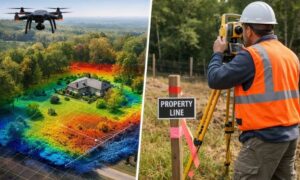
This is where a boundary survey becomes powerful. It gives neighbors certified measurements instead of estimates. Rather than saying “that driveway looks too close,” they can show a stamped survey exhibit that proves the distance.
That shift changes credibility. Boards and attorneys respond differently to measured evidence than to personal concern. As a result, a boundary survey often moves an objection from emotional to technical — and technical arguments carry more influence.
A Site Plan Is Not the Same as a Boundary Survey
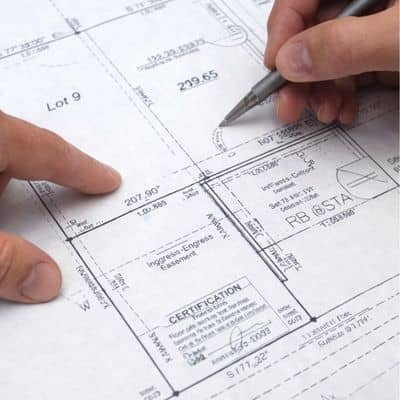
Confusion often grows because people treat developer site plans like legal boundary documents. They are not the same.
A site plan shows how a designer intends to use the land. It focuses on layout and function. A boundary survey focuses on legal limits. It establishes where the property actually begins and ends based on records and field evidence.
During a rezoning fight, this difference matters. If a site plan and a boundary survey disagree, reviewers give more weight to the survey. It carries professional certification and measurement support. Therefore, relying on layout drawings alone can mislead property owners and buyers.
Conflicting Surveys Can Surface — And There Is a Process for That
Some people feel surprised to learn that two boundary surveys can sometimes reach different conclusions. This situation does not mean one surveyor guessed. Instead, it usually means the record evidence contains conflicts.
One surveyor may recover an original monument that another could not find. Another may uncover a deed description that changes line priority. When that happens, surveyors compare evidence and apply established rules that rank record sources and physical proof.
They may return to the field, gather more data, and reconcile the boundary. In higher-stakes rezoning cases, legal teams often review this process closely. While it sounds complex, the profession follows a structured method to reach resolution.
Buyers Near Rezoning Sites Often Miss This Risk
Rezoning fights affect more than developers and neighbors. Buyers also face risk, especially when purchasing property next to a proposed project.
Marketing materials may show comfortable spacing and clean boundaries. Concept exhibits may place roads or buildings at safe distances. Still, without a boundary survey, those distances remain assumptions.
Later, a buyer may discover that an access lane sits closer than expected or that a measured buffer begins from a different line. Because of that, many cautious buyers near contested projects now order their own boundary survey before closing. That step replaces uncertainty with verified facts.
Community Groups Now Use Survey Evidence More Often
Another change has emerged in recent years. Community groups and HOAs now rely more on technical evidence during rezoning disputes. Instead of arguing only about impact, they present measurement data.
An independent boundary survey helps them do that. It allows the group to test the proposal numbers instead of debating them. Consequently, discussions become more focused and less emotional. Officials often appreciate that shift because it speeds review.
Measurements Decide More Than Opinions
Rezoning debates feel political and personal. People speak passionately about neighborhood character and future growth. Yet when final decisions happen, reviewers turn to measurable facts.
A boundary survey delivers those facts. It confirms parcel limits, frontage, and measured distances. It exposes small errors that create large approval problems. Most importantly, it replaces assumption with proof.
So when rezoning fights break out, the loudest argument rarely wins. The most accurate measurements usually do.