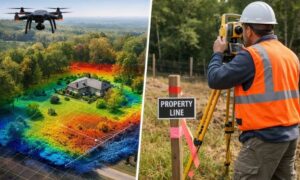

If you’ve ever been involved in a commercial real estate deal, you may have run into this moment: you request an alta survey, receive an estimate, and then later hear that the scope needs to be adjusted. Naturally, that can feel confusing. Many buyers wonder why the process seems to change once things are already underway.
However, the issue usually isn’t the survey itself. Instead, it’s how the scope of the alta survey evolves as more details about the deal come to light. Once you understand how that scope is shaped, the pricing starts to make a lot more sense.
The Real Issue Isn’t Cost — It’s Scope
Most people don’t object to paying for professional work. What frustrates them is not knowing why the work changes. With an alta survey, the scope is not always fixed on day one. In fact, it often develops as the transaction moves forward.
At the start, only basic information may be available. As title documents, lender requirements, and development plans come together, the survey must respond to those details. That added clarity creates added work, which affects pricing.
So rather than thinking of the survey as “getting more expensive,” it helps to think of it as becoming more precise.
Why One Person Does Not Control ALTA Survey Scope
One common misunderstanding is believing the buyer alone defines the survey requirements. In reality, several parties influence the scope of an alta survey, often at different stages of the deal.
Because of this, the survey grows alongside the transaction. Each party brings new expectations that must be documented accurately.
How Lenders Shape Survey Requirements
Lenders rely on surveys to reduce risk. As underwriting progresses, they may request confirmation of access, improvements, or rights tied to the property. These requests often appear after initial discussions.
As a result, the survey must expand to show details that protect the lender’s interest. This step is common, especially for larger commercial properties or refinancing deals.
Why Title Reviews Can Expand the Scope
Title commitments reveal recorded items connected to the land. These items might include easements, access rights, or shared features that are not visible during a site visit.
Once these records surface, the alta survey must reflect them on the map. That connection between paperwork and physical conditions takes time and care. Still, it plays a key role in preventing future disputes.
Attorneys and Risk Questions
Attorneys often review survey drafts closely. When something raises concern, they may request added clarity. For example, they may ask whether a structure overlaps a legal boundary or whether access matches recorded rights.
These requests do not mean the original survey was incomplete. Instead, they reflect a deeper review of risk. Each clarification adds value, even though it increases scope.
When Buyers Add Scope Without Realizing It
Buyers and developers also shape survey scope, sometimes without meaning to. Changes in plans can trigger new needs. A property intended for resale may later shift toward redevelopment. A simple refinance may turn into a construction loan.
When the purpose of the deal changes, the alta survey must adapt. That adjustment protects the buyer by making sure the survey still supports the final goal.
Why Scope Changes Often Happen Mid-Transaction
Many buyers ask why scope adjustments appear later instead of upfront. The answer is simple: some information does not exist at the start.
Title documents may arrive days or weeks after the survey request. Lender conditions may change during underwriting. Development plans may evolve after initial site review. Each step introduces new facts that the survey must address.
Rather than seeing this as a problem, it helps to view it as the survey keeping pace with the deal.
Survey Work vs. Deal Complexity
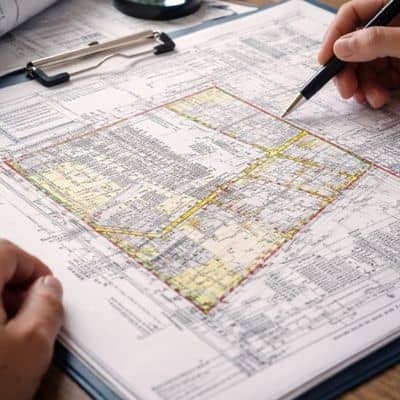
Many buyers ask why scope adjustments appear later instead of upfront. The answer is simple: some information does not exist at the start.
Title documents may arrive days or weeks after the survey request. Lender conditions may change during underwriting. Development plans may evolve after initial site review. Each step introduces new facts that the survey must address.
Rather than seeing this as a problem, it helps to view it as the survey keeping pace with the deal.
Why Charlotte Properties Are Prone to Scope Expansion
Charlotte’s growth has created a mix of old and new land records. Some plats date back decades. Others reflect recent redevelopment. When these layers overlap, surveyors must confirm how they interact.
In addition, many properties share driveways, parking areas, or access points. Each shared feature requires careful documentation to avoid future conflict. As a result, scope adjustments are common, not unusual.
How Better Questions Reduce Surprises
Although scope changes are normal, clear communication helps reduce frustration. Early in the process, buyers benefit from asking a few simple questions:
Who else will review the survey? When will title documents be available? What could trigger added survey detail? How will changes be discussed before work proceeds?
These conversations do not eliminate scope growth. However, they make it expected rather than surprising.
Turning the ALTA Survey Into a Planning Tool
When everyone understands how scope works, the alta survey becomes more than a requirement. It becomes a planning tool. It aligns buyers, lenders, attorneys, and title teams around the same verified information.
That shared clarity supports smoother closings, fewer disputes, and stronger confidence in the transaction.
Final Thoughts
Pricing confusion around an alta survey usually comes from scope misunderstanding, not unnecessary work. As more information enters a deal, the survey adjusts to protect all parties involved.
In a fast-moving market like Charlotte, that flexibility matters. When buyers understand how scope develops, they can move forward with fewer questions and greater confidence.
Clear expectations lead to smoother deals — and that is exactly what a well-executed alta survey is meant to support.