Buying or selling a self-storage facility takes more work than moving a plain piece of land. There are buildings, gates, drive aisles and paved areas that all sit inside the deal. An ALTA survey helps put that whole picture on paper. It shows the boundaries, the buildings and the features that buyers, lenders and title companies need to see before they sign.
Charlotte’s commercial real estate market gives this kind of deal its local backdrop. Investment across North Carolina, including the Raleigh-Durham-Chapel Hill Triangle, keeps drawing money into commercial property. The Triangle is its own market, well east of Charlotte, so the two shouldn’t be mixed up. What ties them together is simple. Careful buyers want to know exactly what they’re getting.
Start With the Facility’s Transaction Timeline, Not the Field Date
Think about the alta survey when you first map out the deal, not when the crew heads to the site. The survey has to fit between several other steps. Those include acquisition planning, title work, lender requests, review time and closing.
Waiting too long causes trouble. If you order the survey after most other pieces are nearly done, there’s little room left for questions or fixes. A tight closing date makes that worse.
Sort out two basic things early. Figure out who is asking for the survey and who is paying for it. Then put the request in writing. The written request should name the ALTA/NSPS standard that applies and list the optional Table A items you want. The 2026 standards speak directly to how you request and authorize the survey, so this step matters more than it used to.
Treat a Self-Storage Site as an Operating Property, Not Just a Parcel
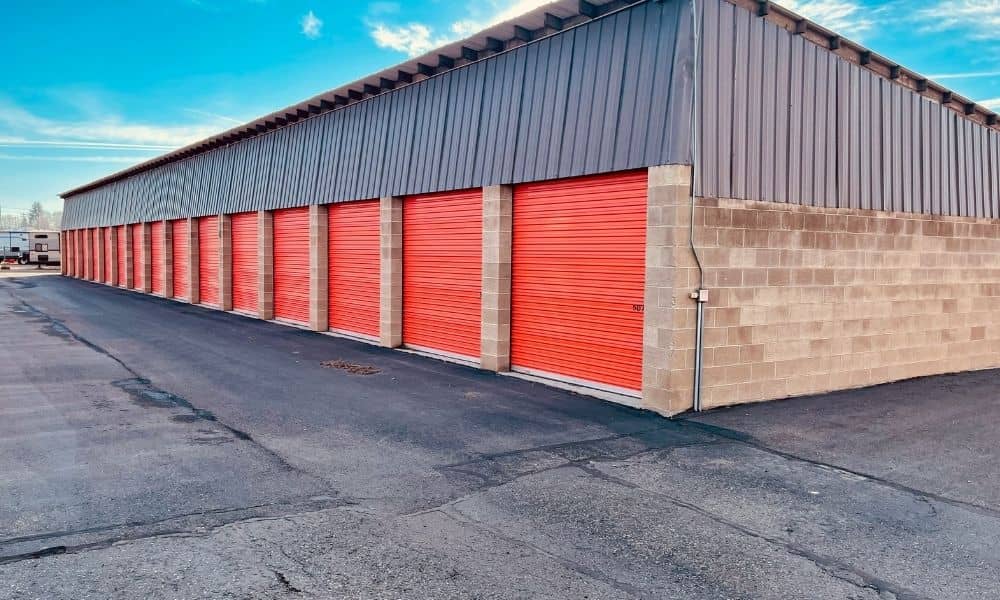
A self-storage facility is a working site, not an empty field. It holds many physical parts that shape how the place runs. A buyer needs the survey to show how those parts sit on the land.
Common features on these sites include:
- Individual storage buildings
- Drive aisles
- Office or management buildings
- Gate structures
- Fencing
- Canopies or covered areas
- Parking areas
- Sign structures
- Other site improvements
The goal is a clear record of where these things stand in relation to the surveyed property. That real, on-the-ground layout tells the story of the asset. A survey that treats the land as a blank tract misses what a buyer is actually paying for.
Decide Which Table A Choices Actually Fit the Deal
Table A is a list of optional survey items. They don’t apply to every job by default. You pick the ones that fit the property and the deal in front of you.
Two self-storage purchases can call for different choices. One site might need certain items that another site doesn’t. The client, working with the surveyor, title company and other parties, should settle the scope before the field crew starts.
The 2026 standards make this a written step. The survey request has to name which Table A items you want. Talking it through early keeps the survey matched to the deal and avoids surprises later.
Build the Review Around What an Investor Will Actually Inherit
Once the survey comes back, read it against what you expected to buy. Compare the drawing with the property details in the deal. You’re looking for gaps between what you were told and what sits on the site today.
Pay attention to how the main buildings and paved areas line up with the surveyed property. If something looks off, that’s a question to raise now, not after closing. Small differences on a busy site can point to larger issues.
Keep the review tied to the actual asset. The survey should describe the facility you’re buying, not a general version of it. Sorting out these questions early keeps the deal on steady ground.
Give the Survey a Final Transaction Check Before Closing
Before the deal closes, run a short check on the ALTA survey. Confirm that it matches the scope everyone agreed to. Make sure the survey covers the optional items you asked for.
Get the current survey into the right hands. Buyers, lenders and title parties should all have the latest version, not an older draft. Leave enough time for questions or revisions so a fix doesn’t collide with the closing date.
Don’t assume a survey done for an earlier deal will work for a new one. Each transaction can have its own needs. Settling survey questions before the calendar tightens keeps closing day calmer.
Frequently Asked Questions
Should an ALTA survey be scheduled differently for a self-storage acquisition?
Yes. Build the survey into the deal schedule early. That leaves room for fieldwork, drafting, review and answering questions before closing. The right timing depends on the property and what the parties need.
Who decides which Table A items are included in an ALTA survey for a self-storage property?
The client and the other parties in the deal decide the scope together. Under the 2026 ALTA/NSPS standards, the survey request should name the 2026 standard and list any Table A items you want. Working that out early keeps the field crew focused on the right details.
Can two self-storage facilities require different ALTA survey scopes?
Yes. The right scope can change based on the property, the deal, the requested deliverables and what the client, lender or insurer needs. No single scope fits every site.