Buying land for development feels exciting. A good location, a fair price, and big plans can make any deal look perfect. However, land often hides problems that most buyers never see. That is why smart developers work with a land development engineer before closing a deal. Their job is to find hidden risks early, so you do not face costly surprises later.
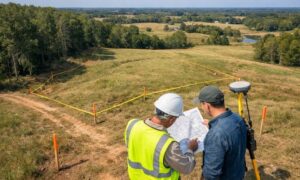
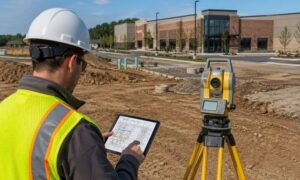
Before any contract becomes final, a land development engineer studies the land from every angle. Instead of guessing, they use data, experience, and testing to see if the land can support your project. More importantly, they protect your investment by helping you avoid major mistakes.
Why Risk Evaluation Matters Before You Buy
Land looks simple. It is just dirt, trees, and open space. Yet below the surface, serious issues may exist. Some problems do not appear until construction begins, and by then, costs rise fast.
A land development engineer checks for risk early because early planning saves time, money, and stress. When issues appear during construction, fixing them costs much more. In contrast, finding problems early allows you to change plans, renegotiate, or walk away.
Because land development involves many steps, one small issue can affect the entire project. For example, weak soil may require deeper foundations. That leads to more digging, more concrete, more labor, and longer timelines. As a result, budgets increase and profits drop.
That is why early engineering review creates clarity. Instead of guessing, you get real answers that help you make smart decisions.
How a Land Development Engineer Thinks About Risk
A land development engineer sees land differently than most buyers. While others focus on price, size, and location, engineers look deeper. They study how soil behaves, how water moves across the land, and how city rules affect building plans.
They also think about cause and effect. One small problem can create several larger ones. Because of this, engineers search for risks that others often miss.
For example, poor drainage can lead to erosion. Erosion can weaken slopes. Weak slopes may require retaining walls. Suddenly, project costs rise quickly. When engineers catch these risks early, developers gain time to plan better solutions.
Soil Risk and Ground Conditions
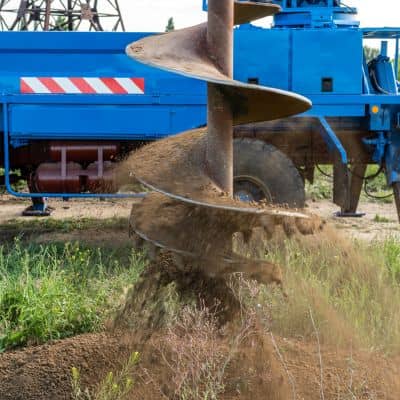
Soil supports every structure. If soil lacks strength, buildings may crack, settle, or fail. That is why soil testing plays such an important role.
A land development engineer reviews soil reports to find weak soils, clay, rock layers, or high groundwater. Poor soil often requires special foundation systems. These solutions increase construction cost and limit design choices.
Since soil problems rarely show at the surface, early testing prevents major budget surprises later. In many cases, this step alone saves developers large amounts of money.
Drainage and Flood Risk
Water causes some of the biggest challenges in land development. Poor drainage can flood buildings, damage roads, and delay permits.
A land development engineer studies natural drainage paths, stormwater flow, and flood maps. They also look at how water from your site affects nearby properties. If water cannot flow safely, major design changes become necessary.
When drainage problems exist, solutions may include detention ponds, underground pipes, or large drainage systems. These features reduce usable land and raise construction costs. Early review helps developers protect valuable acreage.
Zoning and Planning Risk
Cities control how land gets used. Zoning rules decide what you can build, how tall buildings may be, and how many units fit on the land.
A land development engineer reviews zoning codes, land use plans, and development rules. They also consider community concerns that influence approvals. When neighbors oppose a project, delays often follow.
By reviewing these issues early, engineers help predict whether approvals will move smoothly or face resistance. This insight helps developers avoid long and expensive approval battles.
Traffic and Access Risk
Safe access matters. If vehicles cannot enter and exit safely, cities often require roadway improvements.
A land development engineer studies traffic flow, turning movements, and road capacity. If traffic levels exceed limits, cities may require turn lanes, signals, or road widening. These upgrades add major cost and delay schedules.
Understanding traffic risk early helps developers decide whether a project remains financially sound.
Grading and Earthwork Risk
All development requires grading. However, steep slopes, uneven land, or rocky soil complicate this work.
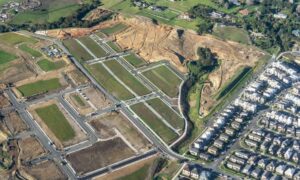
A land development engineer studies how much soil must be moved. They also check slope stability and erosion control needs. Heavy grading increases hauling costs, wall construction, and permit complexity.
When grading risk increases, budgets grow quickly. Early planning helps developers avoid these surprises.
Utility and Infrastructure Risk
Water, sewer, gas, power, and internet service all play key roles. Yet utility lines do not always run where developers expect.
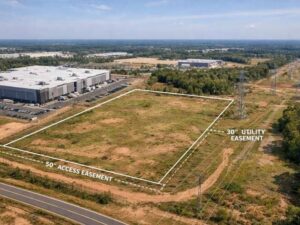
A land development engineer locates existing utilities and checks system capacity. If utilities cannot support the project, upgrades become necessary. Moving pipelines or extending sewer lines adds cost and delays.
Early infrastructure review helps ensure your site supports development without costly changes.
Regulatory and Approval Risk
Every city follows its own approval process. Some move quickly, while others move slowly.
A land development engineer understands local review systems and agency priorities. They predict which projects may face extra delays.
This knowledge helps developers plan realistic schedules and avoid financing problems.
Real-World Examples of Early Risk Detection
One developer planned a residential project that looked perfect on paper. However, soil testing showed weak clay layers. Deep foundations would raise costs by hundreds of thousands of dollars. Early engineering review allowed the buyer to renegotiate and protect profits.
In another case, stormwater review revealed that a detention pond would take nearly thirty percent of usable land. That forced a full redesign. Because engineers found this early, the developer avoided closing on a risky deal.
These examples show how early engineering review protects both money and peace of mind.
When to Involve a Land Development Engineer
The best time to involve a land development engineer is before signing any binding agreement.
Key moments include:
- Before submitting a letter of intent
- During due diligence
- Before releasing non-refundable deposits
- Before rezoning commitments
Early involvement gives engineers time to guide smarter planning and negotiation.
Final Thoughts
Every land deal carries risk. However, smart developers reduce uncertainty by working with a land development engineer early in the process.
By reviewing soil, drainage, zoning, traffic, grading, utilities, and approvals, engineers uncover problems that others miss. This insight protects investments, reduces delays, and improves long-term success.
Before your next deal closes, take time to study the land carefully. That step may become the smartest financial decision you make.