Charlotte is growing fast. New homes, shops, and neighborhoods are appearing all the time. While growth is exciting, it also brings challenges. One big challenge is water after heavy rain. If rainwater is not handled well, it can cause flooding. That is why stormwater design is so important.
Managing rainwater properly isn’t just about pipes and ponds, it’s part of smart civil engineering solutions for water management that keep homes, streets, and yards safe. With careful planning, engineers can make sure water flows where it should, protecting property and preventing costly problems down the road.
Why Stormwater Design Is Important in a Growing City
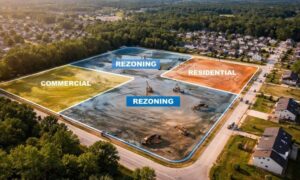
Empty land with grass or trees lets rain soak into the ground. But when land is covered with roads, parking lots, and rooftops, water cannot soak in. It runs off quickly and can cause flooding, which is a real concern in Charlotte during heavy storms.
When new neighborhoods or commercial sites are planned, engineers start by looking closely at the land itself. A careful site analysis for new developments shows where water naturally flows, where the soil soaks well, and where it tends to collect. With that information, they can design stormwater systems that keep water away from buildings, protect yards, and prevent it from running onto neighbors’ property. This kind of planning makes sure projects stay on track and communities stay safe.
How Stormwater Design Works
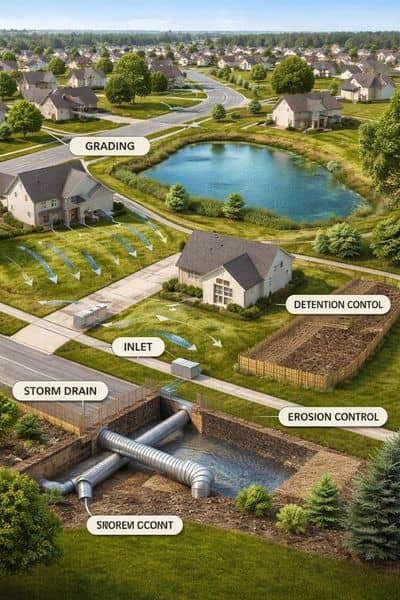
Stormwater design has several key parts. The goal is to guide water safely across a property and keep it from causing damage.
Grading the land is the first step. Grading means shaping the ground so water moves away from buildings and streets. Gentle slopes help water reach safe areas without pooling near houses. Civil engineers plan slopes that work with the land, not against it.
Detention ponds are low areas that hold water for a short time. During heavy rain, they store extra water and release it slowly. This prevents flooding downstream and protects nearby property. Some ponds also let water soak into the ground over time. Well-planned ponds can even become attractive features in neighborhoods.
Drainage systems use pipes and channels to move water safely away from buildings. For example, a catch basin near a street collects water and sends it through underground pipes to a pond or storm sewer. Proper placement keeps water from pooling or overflowing.
Erosion control is also important. Loose soil can wash away during rain. This is called erosion. Erosion can clog drains and damage landscaping. Engineers use grass, mulch, or protective mats to keep soil in place. These measures protect the property and make the site look neat during construction.
How Stormwater Design Supports a Successful Project
Good stormwater design helps developers in many ways. It speeds up permit approvals because local authorities require a stormwater plan. It saves money by preventing water damage and repairs. It also protects the environment. Water that runs off too fast can carry dirt and pollutants into streams. Proper design keeps water clean and slows it down.
Stormwater design also reduces risk. If water from your property floods a neighbor’s land, you could face legal trouble. Planning water flow carefully helps avoid these problems. Developers and homeowners can feel confident their projects are safe.
Challenges in Charlotte Developments
Charlotte has challenges that make stormwater design very important. Some areas have clay soil that does not absorb water well. Nearby creeks and rivers can overflow if water is not controlled. Without careful planning, water can sit on roads, in yards, or near buildings.
Rapid growth also means new developments are close together. Engineers must think about not just the site they are designing, but also where water will flow next. Careful planning prevents flooding and protects the whole neighborhood.
The Role of Civil Engineers in Stormwater Design
Civil engineers plan and design stormwater systems. They use maps, tools, and data to make sure water flows safely. In Charlotte, engineers design slopes, ponds, and drainage systems that follow local rules. They also work with builders and city inspectors to make sure the plan works on site.
Hiring a civil engineer early saves time and money. Engineers help avoid mistakes that could delay projects or cause damage. With a good stormwater design, new developments move forward safely and smoothly.
A Real Example from Charlotte
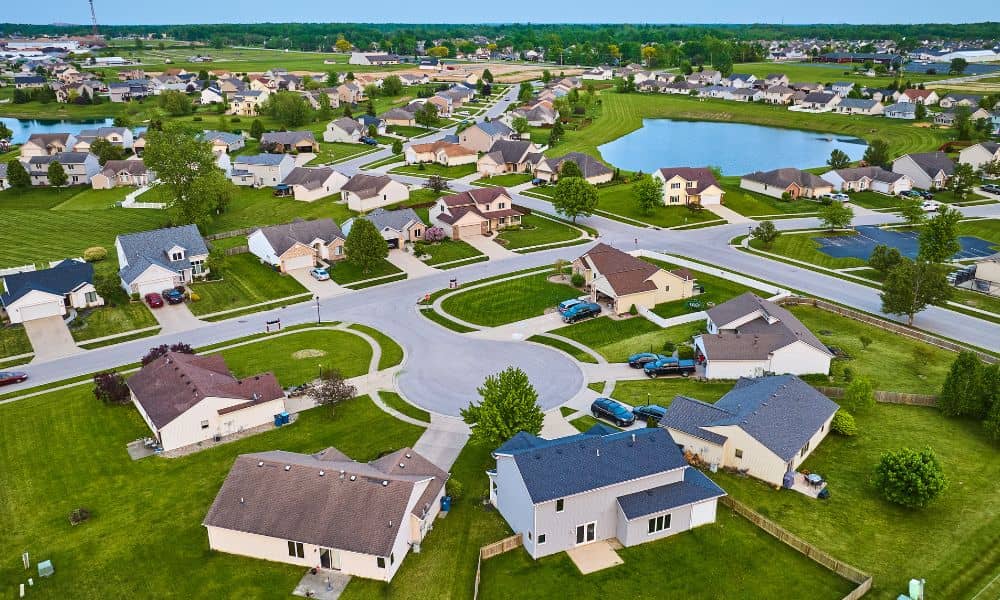
Imagine a new neighborhood in south Charlotte with 80 homes, roads, and parks. An engineer studies the site and sees clay soil and a nearby creek. They plan gentle slopes away from houses, a detention pond near the park, and drains to carry water safely. Grass swales slow water before it reaches the creek.
During a big storm, water flows as planned. The pond holds extra water, the drains work well, and the neighborhood stays dry. This shows how proper stormwater design keeps property safe and construction on track.
Conclusion
Charlotte’s growth brings opportunities, but also responsibilities. Stormwater design is not just a technical step — it protects homes, businesses, and neighborhoods. Proper planning prevents flooding and costly damage.
If you are starting a new development, talk to a civil engineer early. They can guide you through grading, drainage, and pond design. Good stormwater design today prevents problems tomorrow and helps Charlotte’s neighborhoods grow safely.