A strong grading plan is one of the most important parts of any site-civil project. It shapes how the land will drain, how sidewalks and driveways connect, and how your project fits into the surrounding area. When a grading plan is unclear or doesn’t meet the city’s rules, reviewers send it back with comments. Every round of comments means more delays, extra fees, and frustrated teams. Because of this, many developers now focus on getting grading plans approved the first time.
Charlotte has been growing quickly, and with that growth comes tighter review standards. The city wants safe slopes, smooth ADA routes, and drainage paths that prevent flooding. It also expects grading plans to work with other parts of the design, like stormwater systems, retaining walls, and erosion control. When these pieces don’t line up, review slows down. However, when engineers understand the local expectations, they can design a grading plan that moves smoothly through approval.
Why Charlotte Reviewers Look Closely at Grading
Charlotte’s terrain varies from flat commercial areas to rolling residential sites. Because of this, the city checks grading to make sure:
- Water flows away from buildings
- Sidewalks and parking areas drain properly
- ADA slopes meet code
- Driveways are safe and comfortable to drive on
- The project doesn’t hurt neighboring properties
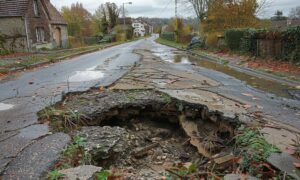
If the grading creates sharp drops, unsafe slopes, or poor drainage, reviewers ask for changes. These fixes may seem small, but in construction, even a few inches matter. Good grading keeps water from ponding, removes tripping hazards, and prevents future complaints from neighbors.
Accurate Existing Conditions Make Everything Easier
Every solid grading plan starts with a good survey. When the survey is old or incomplete, problems show up fast. Spot elevations don’t match the actual site, drainage paths fail, and ties to nearby properties become messy. Charlotte reviewers notice these inconsistencies, and they send the plans back for corrections.
Most engineers walk the site before designing. This helps them see where water collects, where slopes change, and where the land is uneven. It also helps them compare real conditions to the survey. When the base information is accurate, the grading plan becomes far more reliable.
ADA Slopes Matter More Than People Think
Many projects get delayed because of ADA slope problems. Charlotte checks running slopes, cross slopes, landing areas, and ramps carefully. Sidewalks that are slightly too steep fail review. Parking spaces that don’t drain or aren’t level also get flagged.
Because these errors are common, engineers set ADA slopes early instead of adjusting them at the end. Sidewalks, ramps, and parking areas tie together, so changing one affects the others. When ADA grading is correct from the start, the entire site becomes easier to design.
Drainage and Grading Must Work Together
If the grading plan doesn’t show where water flows, the city won’t approve it. Charlotte expects clear drainage arrows, high and low points, and spot elevations that make sense. Water should move toward inlets or swales, not toward buildings or walkways.
When stormwater design and grading design happen at the same time, the plan is smoother and passes faster. If they are designed separately, slopes end up wrong, inlets sit too high, and water gets trapped. That always leads to reviewer comments.
Tie-Ins at Property Lines Can Make or Break Approval
A grading plan must tie into surrounding land the right way. If the design creates a sudden slope at the edge, pushes water onto a neighbor’s property, or creates an unsafe drop, the city will not approve it.
Charlotte wants projects that blend into existing areas. Smooth transitions protect nearby homes and businesses. They also reduce the chance of future drainage complaints or disputes. Engineers spend extra time checking these tie-ins because they are one of the most common review comments.
Frequent Grading Issues Charlotte Sends Back
Although every project has unique challenges, Charlotte reviewers often flag the same problems:
- ADA slopes out of compliance
- Parking areas that trap water
- Inlets set at the wrong elevation
- Missing grading details for retaining walls
- Driveways that don’t follow city standards
- Ties to surrounding properties not shown clearly
These issues usually come from rushing or designing grading too late. When the grading plan is considered from the beginning, these mistakes drop off.
How Strong Grading Improves RFQ Responses
Clear grading design isn’t only about passing review. It also helps engineering teams stand out in RFQ submissions. Charlotte looks for firms that understand local conditions and deliver clean plans that move through review on schedule. When a grading plan meets city rules the first time, it shows skill, attention to detail, and respect for the client’s timeline.
Developers also appreciate strong grading because it reduces risk. The sooner the city approves the plans, the sooner construction begins. Time saved in review often means real money saved during the project.
How Clients Can Protect Their Project From Delays
Clients don’t need to be experts, but knowing the basics of grading helps them avoid problems. Good questions to ask your engineering team include:
- How will water move across the site?
- Are the ADA slopes checked early?
- Do the grading elevations match the survey?
- Will this plan cause drainage issues for neighbors?
- Are the driveway and parking slopes comfortable and safe?
These questions keep the project on track and help catch issues before review.
Conclusion
A grading plan shapes the entire site, affects drainage, guides ADA design, and plays a major role in whether Charlotte approves the project quickly. When engineers follow local standards and design with care, the plan moves through review with fewer comments and less stress. As Charlotte grows, more projects will go through review, so having a grading plan that works the first time is more important than ever.
If you want your project to stay on schedule, start with a grading plan that meets the city’s expectations, protects your property, and creates a safe, well-designed site from day one.