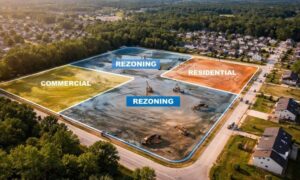
When Hurricane Helene swept through North Carolina, it didn’t just damage roads and homes—it also exposed weak spots underground. The state’s new $50 million broadband rebuild fund is helping towns recover, but it’s also creating new work. Every trench, conduit, and repair site now needs updated stormwater design to stop flooding and erosion. Raleigh may be far from the hardest-hit areas, yet its engineers and developers already feel the effects.
The Hidden Impact Underground
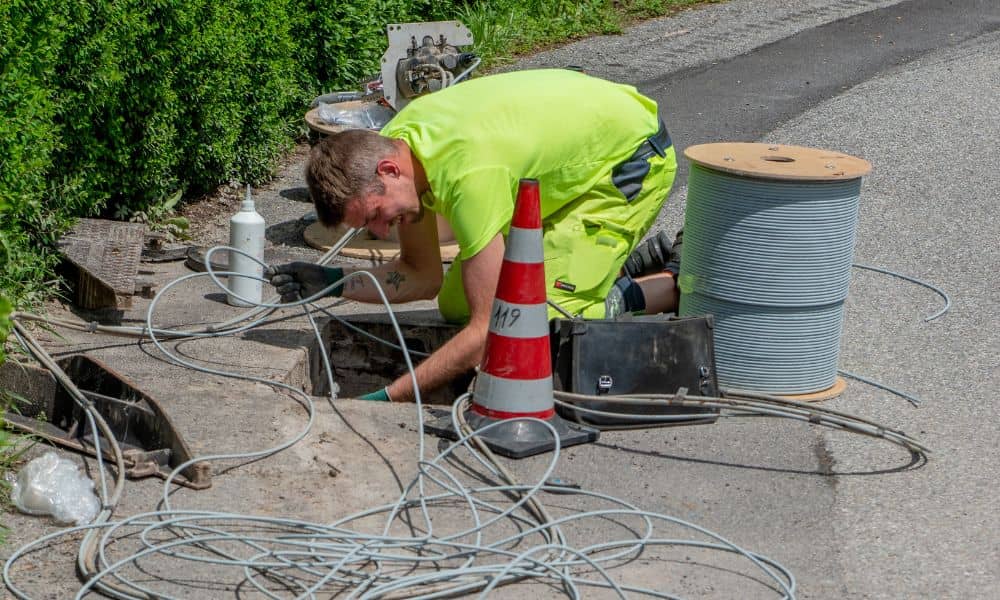
Most people hear “broadband rebuild” and think of faster internet. Civil engineers think about disturbed soil, drainage paths, and stormwater rules. Digging to lay fiber means cutting through easements, crossing streams, and sometimes hitting old drains. Without good stormwater design, one strong rain could wash out new lines before they even pass inspection.
That’s why engineering firms are checking how every utility route changes runoff and erosion control. Each project can shift how rainwater moves through older drainage systems.
Why Stormwater Design Matters Now

Burying fiber sounds simple—dig a trench, fill it back, move on. But those trenches can run for miles and change how water flows. In Raleigh’s heavy clay soil, rain drains slowly. Water pools fast and can overflow into nearby yards and streets.
Developers are now calling engineers more often for stormwater design and erosion control plans. Even small projects need grading updates and drainage checks. City staff warn that permits may take longer as more broadband work starts this winter.
Raleigh’s Role in the State Rebuild
The $50 million fund mainly helps western counties, but much of the planning happens in the Triangle. Many engineers support statewide projects as sub-consultants. Fiber routes often cross major roads, creeks, and flood zones, so local coordination is key.
Raleigh firms now face tight deadlines and extra coordination. They must work with utility crews, transportation engineers, and environmental reviewers. Firms that add stormwater design early will avoid costly mistakes and finish faster.
Building the Digital Future the Right Way
For property owners and developers, this rebuild is a reminder that all construction connects. Fiber lines link to trenches, trenches affect runoff, and runoff links to permits. When a contractor digs near your site, even a small grade change can shift how water drains.
Smart engineers plan ahead. They design swales, detention ponds, or rain gardens to slow runoff during and after work. They inspect slopes after storms and fix erosion early. These simple steps prevent damage and save money later.
How Engineers Are Adapting
Civil engineers are moving quickly. Some now offer “quick stormwater packages” that include erosion-control details, grading plans, and ready-to-submit permit sheets. Others work directly with broadband crews, adding stormwater design notes to construction drawings so drainage isn’t forgotten.
The City of Raleigh’s Stormwater Division is pushing early coordination. NCDEQ, the state stormwater office, expects a surge of new permits linked to broadband and road repairs.
Why Developers Should Act Now
If you handle land or construction, this rebuild wave affects you.
- Permits may slow down. Submit stormwater plans early to stay ahead.
- The crews are busy. Surveyors and erosion teams are booked months out.
- Delays cost money. Fixing drainage problems later doubles expenses.
A short meeting with a civil engineer can catch risks early and keep your project compliant.
Real Example: The Fiber-Drain Lesson
One neighborhood learned this the hard way. Crews dug a trench for broadband and cut through a drainage swale serving six homes. The next storm flooded driveways and mailboxes. The fix required regrading, adding a culvert, and reseeding—time and money wasted.
If a stormwater design review had been done first, that flood never would have happened. Cases like this show how important drainage design is when underground work meets surface water.
Preparing for What’s Next
North Carolina’s broadband buildout will continue through 2026. Raleigh’s civil engineers who focus on stormwater design, grading, and site planning will stay in high demand. Expect more projects adding ponds, roadside ditches, and creek crossings.
The lesson is simple: every digital upgrade changes how water moves. The engineers who balance technology with terrain will help shape safer, smarter cities.
Final Thoughts
The $50 million broadband rebuild starts with internet cables but ends with better water control. Every trench is a chance to plan smarter and protect communities from floods.
If you own land or manage development, make stormwater design your first step—not your last fix. Careful planning today means fewer floods, fewer fines, and a smoother path toward a stronger, more connected North Carolina.