
Buying a small lot in Charlotte can feel like a win. The price looks fair. The location seems solid. You already picture what you want to build. Then problems show up. That is why many buyers check in with a civil engineer in Charlotte for lot review before getting too far into rezoning or design. It is a simple step that can catch issues early and save months of stress and a lot of cash.
Here is what gets checked on a small infill lot before moving forward.
Small Lots Come With Big Limits
Infill lots sit between existing homes or buildings. That sounds simple, but it creates tight conditions.
You do not have much room to adjust. You cannot shift the building far. You cannot move the driveway easily. Neighbors, roads, and utilities are already in place.
Because of that, small mistakes cost more.
A civil engineer looks at the lot as a whole, not just the size on paper.
Will the Lot Fit What You Want to Build?
Many buyers think zoning is the biggest hurdle. If zoning works, the project should work too.
That is not always the case.
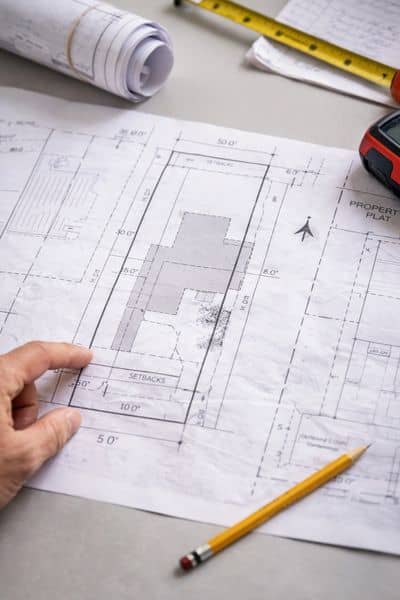
A civil engineer looks at the lot shape, width, and depth first. Some lots seem wide enough until setbacks take space away. Others look deep enough at first, but once the property lines are checked, often through a survey to confirm property lines, the usable space can end up smaller than expected.
That can mean a smaller building than planned. In some cases, it leads to a full redesign.
This check happens early, before time and money go into plans.
Can You Actually Get In and Out?
Access sounds simple. It often is not.
The lot still needs a safe and legal way to connect to the road. A driveway must meet city rules. The angle, width, and location all matter.
Some lots have tight frontage. Others sit on busy streets where access is limited. In a few cases, the only option is shared access with a neighbor.
A civil engineer checks if a driveway will work before you move forward. If it does not, the lot may not be worth it.
Utilities: Close Does Not Mean Easy
Many listings say utilities are “available.” That does not tell the full story.
A civil engineer checks where water and sewer lines sit. Distance matters. So does depth. Capacity can also become a problem.
In some cases, the nearest connection point is farther than expected. That adds cost. In other cases, upgrades may be needed before service can be added.
Power, storm lines, and other underground systems can also get in the way.
These issues do not show up in photos. They show up in budgets later.
How Much Space Do You Really Have?
Small lots often lose usable space once design rules come into play.
Setbacks take space from each side. Driveways take space in front. Parking can take more room than expected.
A civil engineer looks at how all these pieces fit together. The goal is to see if your plan works within the limits.
Sometimes it does. Sometimes the lot only supports a much smaller project.
That is better to know before you push ahead.
Hidden Costs That Change the Deal
Some lots look like a bargain. Then costs start to rise.
A civil engineer looks for signs that construction will be harder than normal. Tight spaces can slow work. Limited access can raise labor costs. Utility work can push the budget up fast.
You may also run into requirements tied to city standards. Those can add work that was not part of the original plan.
These are not small changes. They can flip a good deal into a bad one.
Does the Lot Match the Area Around It?
Infill lots sit inside existing neighborhoods. That matters.
Nearby homes, road layouts, and property lines all affect what can be built. A plan that looks fine on paper may not fit the pattern around it.
A civil engineer studies how the lot lines up with the surrounding area. That helps avoid conflicts later.
It also helps you build something that fits the site instead of forcing it.
Early Red Flags You Do Not Want to Miss
Some issues show up right away once a lot gets reviewed.
The layout may not work within the space. Access may not meet city rules. Utility work may cost too much.
In some cases, all three show up at once.
A civil engineer can spot these problems early. That gives you a choice. Move forward with clear expectations or walk away before spending more.
Why This Check Happens Before Rezoning
Rezoning takes time. It also costs money.
Many buyers focus on zoning first. They assume approval will solve everything else.
That can backfire.
A civil engineer looks at the physical side of the lot before rezoning starts. That way, you know if the site can support your plan at all.
If it cannot, you avoid chasing approval for a project that will not work.
A Smarter Way to Approach an Infill Lot
Charlotte has many small lots with real potential. Some turn into great projects. Others never move past the idea stage.
The difference often comes down to early checks.
A civil engineer helps you see the full picture before you commit. You understand the limits. You see the costs. You make better decisions.
That is how you avoid surprises later and move forward with confidence.