Why Flood Updates Make Lot Surveys More Important

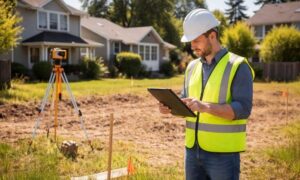
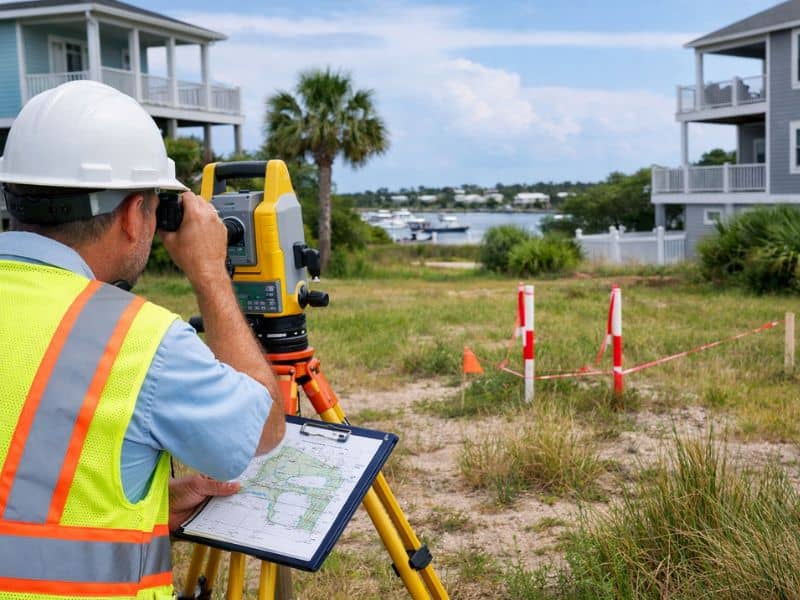
Surveyor performing a lot survey on a residential property in Wilmington, NC to verify boundaries and setbacks

Buying land in a coastal city like Wilmington comes with more uncertainty than most buyers expect. A lot survey is now more important than ever as flood maps and coastal regulations continue to change. What worked a few years ago may no longer apply today.

What Recent Coastal Changes Mean for Land Buyers

Recent FEMA flood map updates and growing coastal risk awareness are changing how properties are evaluated across North Carolina. Areas near water or with drainage concerns may now fall under new classifications.

For buyers in Wilmington, this means paying closer attention to elevation, setbacks, and usable land. Even small differences in property data can affect permits, insurance, and timelines. A lot survey provides the verified details needed to move forward with confidence.

Why a Lot Survey Matters Before Building

A lot survey does more than show property lines. It helps confirm what you can actually do with the land.

Without it, buyers often rely on visual assumptions or outdated records. In a coastal market, that can lead to early mistakes—like placing a structure too close to a boundary or inside a setback area.

Getting support before finalizing your land purchase helps catch these issues early, before they affect your plans or budget.

What a Lot Survey Actually Verifies

A lot survey gives you a clear view of the property. It compares official records with what is actually on the site.

It shows boundary lines, structures, and access points. It also helps spot problems, like encroachments or areas too close to setbacks. These details help you understand how the land can really be used.

Here’s a clean, paragraph-style version that reads smoothly and is easy to follow:

Common Issues Found in Coastal Properties

Properties in Wilmington often face challenges related to water flow and soil conditions. Over time, these factors can affect how the land can be used or developed.

In many cases, boundary lines do not match what is visible on-site, and structures may be placed too close to setback lines. Drainage issues can also limit where building is possible, while nearby properties may create encroachments that are not obvious at first.

These problems are easy to overlook during a simple walkthrough, but they can lead to delays, added costs, or changes to your plans later.

How to Avoid Delays and Costly Mistakes

The best time to order a lot survey is early. Do this before making final decisions.

Waiting too long can lead to delays, redesigns, or extra costs. Reviewing survey results early helps you make better choices and avoid surprises.

Getting help understanding your land before building makes it easier to move forward with confidence.

author avatar
Surveyor

More Posts

Land surveyor reviewing measurements at a completed commercial construction site with parking areas, drainage features, and finished infrastructure.
land surveying
Surveyor

How an As-Built Survey Helps Avoid Permit Closeout Delays

An as-built survey helps confirm that completed site work matches approved plans before permit closeout, final inspection, or certificate of occupancy review. Many construction projects run smoothly for months, then hit unexpected delays near the finish line. Missing records, field changes, or incorrect site information can create problems when it

Read More »
Subdivision planning showing a residential land layout with roads and buildable lots
civil engineering
Surveyor

Subdivision Planning: What to Check Before You Split Land 

You found a piece of land. It looks big enough. You start thinking about splitting it into a few lots. Then the plan hits review. And it stalls. That happens a lot. Most subdivision plans don’t fail because of bad ideas. They fail because something basic was missed early. Before

Read More »
Aerial coastal view showing shoreline and land changes used in a topographic survey
land surveying
Surveyor

Topographic Survey for Coastal Development 

Wilmington sits right along the coast of North Carolina, so the land there is always changing. Storms, tides, and rising water all affect how people can build. Because of this, developers cannot treat land the same way they do in inland cities. They need better information before they design anything.

Read More »
Corner lot fence installation with unclear property lines, homeowner checking boundary before hiring a land surveyor near me
land surveyor
Surveyor

Do You Need a Land Surveyor Before Building a Fence?

You finally decide to build a fence. Maybe you want more privacy. Maybe you have kids or pets. It feels like a simple weekend project. Then you step outside and look at your yard. One side faces the street. Another runs along a sidewalk. The corner looks wider than you

Read More »
Civil engineer reviewing a small residential lot before rezoning to check layout, access, and buildability
civil engineering
Surveyor

What a Civil Engineer Checks Before You Rezone a Lot

Buying a small lot in Charlotte can feel like a win. The price looks fair. The location seems solid. You already picture what you want to build. Then problems show up. That is why many buyers check in with a civil engineer in Charlotte for lot review before getting too

Read More »
A civil engineer reviews blueprints at a suburban infill construction site with survey equipment and a partially built foundation, showing architectural engineering in action
civil engineering
Surveyor

How Architectural Engineering Guides Successful Home Builds

Building a new home or adding onto an existing one in Raleigh can be exciting. You might picture the rooms, the views, and walking through the finished house. But what happens before construction starts can make or break your project. Two things are very important: architectural engineering and foundation surveys.

Read More »