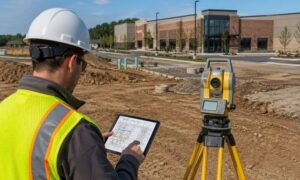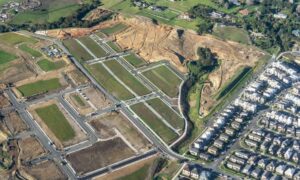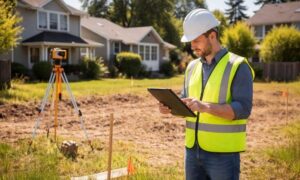
An as-built survey helps confirm that completed site work matches approved plans before permit closeout, final inspection, or certificate of occupancy review. Many construction projects run smoothly for months, then hit unexpected delays near the finish line. Missing records, field changes, or incorrect site information can create problems when it is time for final approval.
Charlotte continues to grow with new residential communities, commercial spaces, and redevelopment projects. As projects become more complex, accurate documentation becomes more important. An as-built survey helps keep the final stage of a project moving forward.
What Is an As-Built Survey?
An as-built survey documents what was actually built after construction work is complete. During a project, changes often happen in the field. Utility locations may shift slightly. Drainage systems may move. Grading adjustments can also happen.
An as-built survey can document:
- Building locations
- Finished elevations
- Utilities
- Drainage systems
- Easements
- Stormwater features
- Impervious surfaces
- Site improvements
The survey creates a final record of the completed project. Property owners, contractors, engineers, and reviewers can compare the finished work against approved plans.
Why Permit Closeout Can Slow Down
Many people think construction is finished once the last piece of equipment leaves the site. In reality, the paperwork and final approvals still matter.
Permit closeout delays often happen because:
- Work differs from approved plans
- Elevation information is missing
- Drainage systems were changed during construction
- Utilities moved from their original locations
- Stormwater features were not documented
- Inspectors request corrections
These issues may not seem serious at first. However, even small differences can create delays during final review.
For example, imagine a project where parking areas expanded slightly during construction. If those updates were never documented, reviewers may request corrections before approval. That can add time and extra costs.
How an As-Built Survey Helps Avoid Delays
An as-built survey helps reduce surprises during project closeout.
It Confirms What Was Built
The survey provides measurements and records showing the final site conditions. Reviewers can compare the information against approved plans.
If the completed work matches expectations, approvals often move faster.
It Finds Problems Earlier
Construction changes happen on almost every project. Waiting until the final inspection to discover issues can create stress.
An as-built survey helps identify differences before reviewers find them.
That creates time to make corrections if needed.
It Supports Final Inspections
Inspectors need accurate information to review completed work. Detailed documentation makes the process easier.
Instead of relying on estimates or assumptions, they can review exact measurements.
It Helps With Stormwater Requirements
Charlotte projects often include drainage and stormwater requirements. Certain developments may require documentation showing systems were installed correctly.
Good records help support compliance and reduce questions during review.
It Helps Reduce Last Minute Corrections
No contractor wants to hear that changes are needed after construction is complete.
An as-built survey helps reduce back-and-forth communication because the finished site conditions have already been documented.
That can save time and help avoid delays.
Why This Matters
Charlotte continues to experience strong growth. New housing communities, mixed-use developments, and commercial projects continue to reshape the area.
Many projects now involve:
- Redevelopment work
- Utility improvements
- Stormwater systems
- Commercial growth
- Residential expansion
- Infill construction
As projects become more detailed, accurate site documentation becomes more important.
Sites may also face drainage requirements and impervious surface limitations. Missing information can create challenges during final review.
For property owners and builders, accurate records are not just paperwork. They help projects move toward approval.
When Should You Order an As-Built Survey?
Timing can make a big difference.
Some people wait until the final stages of construction before requesting a survey. That can become stressful if unexpected issues appear.
An as-built survey is often useful:
- After site improvements are installed
- Before final inspections
- Before certificate of occupancy review
- Before permit closeout submission
- After drainage systems are completed
Ordering the survey earlier gives your team time to address any issues before deadlines arrive.
Keep Your Project Moving Toward Final Approval
Construction projects involve many moving parts. By the end of a project, teams often focus on wrapping up work and moving to the next job. Unfortunately, closeout issues can appear when people least expect them.
An as-built survey helps reduce risk by documenting what was actually built. It helps identify changes, supports inspections, and provides the information reviewers need.
For projects, taking this step early can help avoid delays and keep the approval process moving forward.
A project may look complete on the outside. The final paperwork still matters. An as-built survey helps make sure both reach the finish line together.