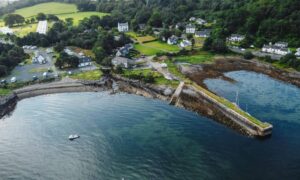
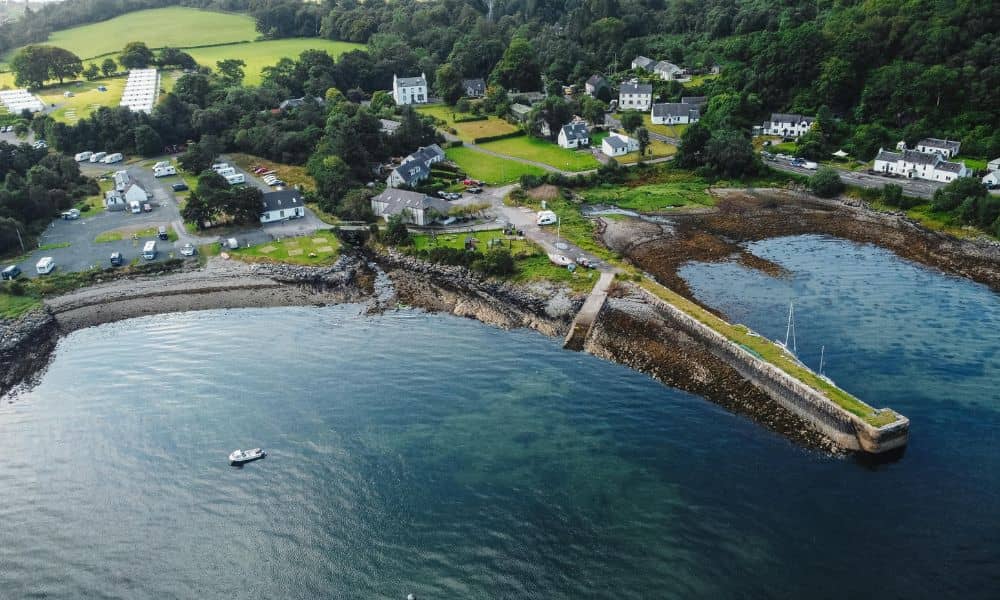
Wilmington sits right along the coast of North Carolina, so the land there is always changing. Storms, tides, and rising water all affect how people can build. Because of this, developers cannot treat land the same way they do in inland cities. They need better information before they design anything.
That is where a topographic survey in Wilmington comes in. It shows the shape of the land, including height changes, slopes, and low areas. In Wilmington, this kind of detail helps developers plan for sea-level changes long before construction starts.
Today, many coastal projects depend on topographic surveys for coastal development planning. It helps teams make smarter choices and avoid costly changes later.
Coastal pressure is changing how Wilmington builds
Wilmington has always dealt with water, but the situation feels different now. Sea levels are slowly rising, and heavy rain events happen more often. Because of that, land near the coast does not stay the same for long.
Developers now think beyond just building homes or commercial spaces. They also think about how the land will behave over time. A site that looks perfect today may not work well in twenty years.
So instead of starting with design drawings, many projects now begin with land data. This shift comes from real pressure in the region. Roads, drainage systems, and waterfront properties all face stress from water movement. As a result, early planning has become more important than ever.
Why topographic surveys matter for developers
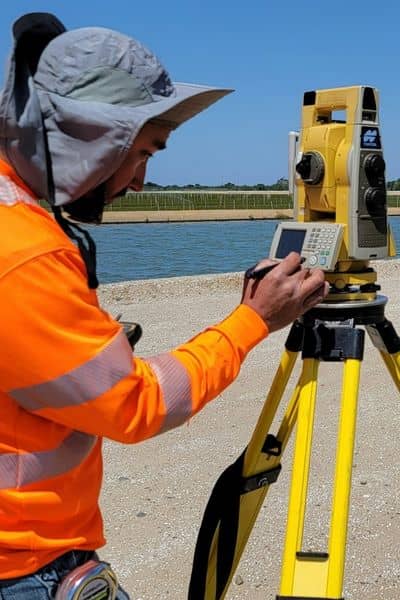
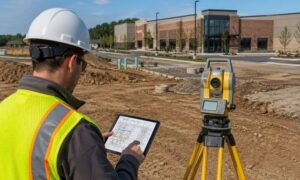
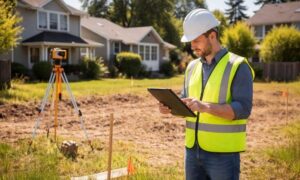
A topographic survey in Wilmington shows what the land actually looks like before anything is built. It captures the small rises, dips, and uneven areas that are easy to miss when you are just walking the site.
For developers, that detail makes a real difference. Even slight changes in elevation can affect how water moves across a property. Sometimes just a few inches decide where rainwater collects or how it drains during a storm.
That is why this kind of survey becomes part of early planning. It helps answer simple but important questions, like where buildings should sit, how roads should connect, and which parts of the site are more likely to stay dry.
Around Wilmington, most land is fairly flat, so these small elevation shifts matter more than people expect. Without that level of detail, planning is mostly guesswork. With it, decisions become clearer and easier to trust.
How developers use elevation data for sea-level planning
Once developers get the topographic survey, they do not just store it. They use it to shape the entire project plan.
First, they look at which parts of the land sit higher. These areas often become the best spots for buildings. Lower areas may still be useful, but they might need special design changes.
Next, they study how water moves across the site. Water always follows the lowest path, so slope direction matters. If they ignore this step, drainage problems can show up later.
Then they think about long-term changes. Sea levels do not rise overnight, but even slow changes affect coastal land. Developers use elevation data to plan for future conditions instead of only today’s conditions.
This helps them avoid building in places that may become harder to use later.
How topo surveys fit into real project planning
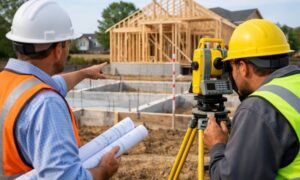
In most Wilmington projects, the process starts before any design work begins. Developers first look at the land and collect survey data. After that, engineers and planners use that data to shape the project.
The topo survey becomes the base layer for everything else. Roads, drainage systems, and building locations all depend on it. Without that base, the rest of the design can shift later, which causes delays and added cost.
For example, if a building gets placed in a low area without proper elevation planning, water can pool around it during storms. Fixing that later costs more than planning it correctly at the start.
Because of this, many teams now treat topographic surveys as one of the first steps, not an optional one.
Why Wilmington needs this more than other cities
Not every city depends on topographic surveys in the same way. Wilmington faces unique conditions because it sits so close to the coast and river systems.
Much of the land is flat. That means even small elevation changes affect how water moves. In hilly areas, water drains quickly. In Wilmington, it spreads out and collects in low spots.
Also, coastal weather adds pressure. Heavy rain and storm surges can change how land behaves in a short time. Developers must think about both current conditions and future risks.
Because of this mix, planning mistakes become expensive. A small error in elevation understanding can lead to drainage issues or site redesigns later.
So developers rely on topo surveys to reduce uncertainty before they invest in design and construction.
How sea-level planning is changing development decisions
In the past, developers focused mostly on zoning rules and property size. Now, they also look at how land will behave over time.
Topographic surveys help with this shift. They give a clear view of which parts of a site will stay usable under changing conditions. This helps developers choose smarter layouts from the beginning.
It also changes how they think about long-term value. A site that looks cheap today may bring higher costs later if elevation problems show up. On the other hand, a well-mapped site can support safer and more stable development.
So instead of reacting to problems during construction, teams now try to predict them early.
What this means for future projects in Wilmington
Wilmington will likely see more development pressure in the coming years. At the same time, coastal conditions will keep changing. Because of this, planning will need more accurate land data.
Topographic surveys will stay at the center of that process. They help developers see the land clearly before making big decisions. They also support better communication between engineers, planners, and builders.
As projects grow more complex, simple guesswork will not be enough. Developers will continue to depend on elevation data to guide site choices, layout design, and long-term planning.
This approach does not remove risk completely, but it helps reduce surprises. And in coastal areas like Wilmington, that difference matters a lot.