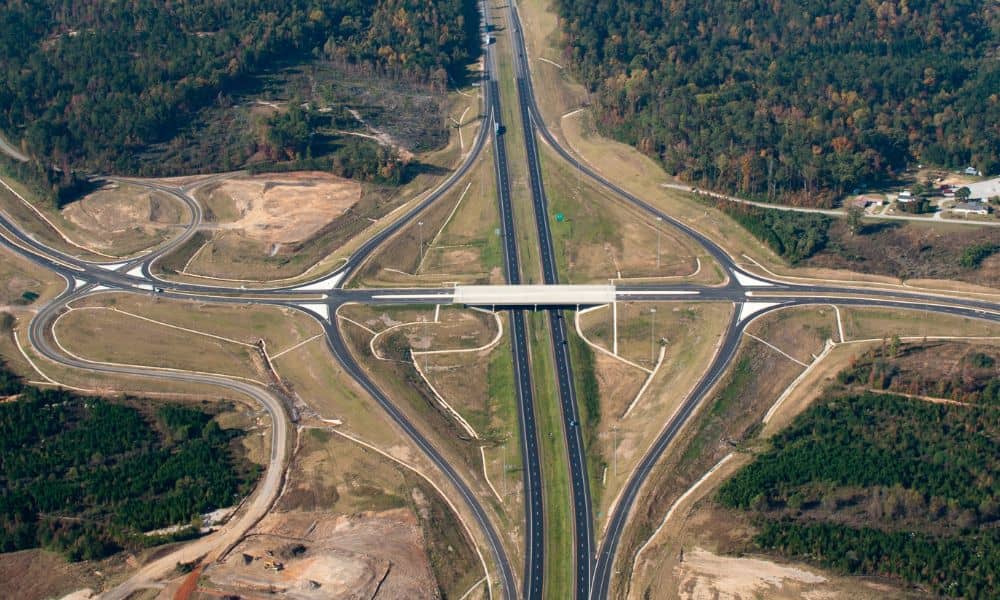
Charlotte keeps growing fast. New homes rise near the edge of the city. Warehouses stretch along major roads. Mixed-use projects appear near busy highways. Because of this growth, transportation plans play a big role in land development. Recently, the planned I-77 South toll lane project hit a pause. At first, that may sound like simple traffic news. However, for anyone involved in land development, it means much more. Road changes can quietly shift land value, buyer demand, and project timelines.
If you own land, are under contract, or plan to rezone property near I-77, this pause matters.
Why Transportation Matters in Land Development
Every strong project depends on access. Roads, interchanges, and travel time affect how land performs.
For example, shorter commutes increase housing demand. Easy highway access helps warehouses lease faster. Retail stores rely on traffic flow and visibility. Because of this, developers often price land based on future road plans, not just current ones.
When a major road project moves forward, nearby land often becomes more valuable. Buyers expect smoother traffic and better access. As a result, developers may expect higher rents and faster sales.
However, when that project pauses, those expectations can change.
What a Pause Can Do to Land Value
First, uncertainty enters the picture.
Land development works best when plans stay steady. Developers rely on traffic data and road capacity when planning projects. Lenders review those details before funding deals. Appraisers also consider future road plans when valuing land.
Now, if the I-77 timeline becomes unclear, investors may grow cautious. Buyers may ask for price cuts. Lenders may request updated reports.
That does not mean land values crash. Instead, it means the future feels less certain. And in land development, uncertainty equals risk.
For example, if an apartment project expected easier commutes by 2028, but road upgrades get delayed, demand could slow. Likewise, if a warehouse depended on faster truck routes, site selection may shift.
So even a “pause” can affect deals today.
How Timelines May Change
Next, project schedules can stretch.
Rezoning hearings often include traffic talks. City leaders look at road capacity and congestion. If big road plans feel uncertain, officials may move more slowly.
In addition, traffic impact studies may need updates. Engineers base their work on planned roads. When plans change, studies must change too. That can add weeks or months.
Also, public meetings may become more tense. Residents who already worry about traffic may push back harder. As a result, approvals can take longer.
In land development, time equals money. Holding costs continue. Loan interest builds. Construction costs may rise. Therefore, even small delays matter.
Entitlement Risk Can Increase
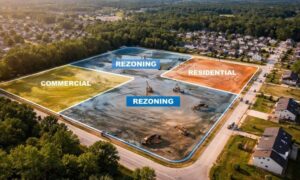
Charlotte continues to grow under updated zoning rules. Still, road capacity remains important in approval decisions.
When road plans stay steady, rezonings move more smoothly. However, when uncertainty surrounds a major highway, risk increases.
For example, high-density projects near I-77 may face more questions. Officials may ask whether the roads can handle extra traffic. Developers may need stronger plans and better design.
At the same time, some sites may look safer. Properties near established roads or light rail may gain attention. Because they rely less on future road upgrades, they may feel more secure.
So the map of opportunity can shift.
How Developers Should Respond
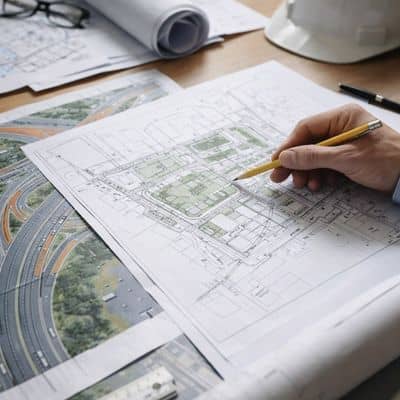
Instead of waiting, smart developers adjust early.
First, they update traffic assumptions. Engineers can rerun numbers using current data. Small changes can protect profits.
Next, they review the best use for the site. If a large project now carries more risk, a phased plan may work better. Sometimes a smaller first phase reduces exposure.
Then, they test financial models. What if leasing slows? What if approvals take longer? Running those scenarios now helps avoid surprises.
Finally, they watch community concerns. Public opinion shapes city decisions. Because talk about I-77 has grown louder, developers must explain how their projects manage traffic and support the area.
Land development in Charlotte now requires both technical skill and public awareness.
Opportunity Still Exists
While uncertainty brings caution, it also brings chances.
Some buyers may hesitate near I-77. As a result, prices may become more flexible. Long-term investors who believe the corridor will improve may find value.
Meanwhile, growth continues. Charlotte keeps attracting businesses and new residents. Industrial demand remains strong due to regional access. Housing demand stays steady because people keep moving here.
So land development does not stop. It adjusts.
For example, developers may focus on sites with proven access rather than future upgrades. Others may target areas with strong local road networks.
In many cases, careful planning turns risk into opportunity.
What This Means for Buyers and Sellers
If you are buying land, update your numbers before closing. Make sure your plans work without certain road upgrades. Review financing terms closely.
If you are selling land, prepare for tougher questions. Clear traffic studies and flexible deal terms can help keep buyers engaged.
If you plan a rezoning, show how your project works with current roads, not just future ones.
Act early instead of reacting later.
The Bigger Picture
Transportation decisions shape every growing city. The I-77 toll lane pause reminds us of that.
Land development in Charlotte remains strong and active. However, success now requires careful planning around infrastructure timing and public concerns.
Developers who adjust quickly protect their margins. Investors who track corridor shifts may find smart opportunities. Landowners who understand these changes negotiate better.
Charlotte will keep growing. The real question is how road changes shape that growth.
Right now, that story includes I-77.