If you own property in Wilmington, NC, especially near the Cape Fear River, Wrightsville Beach, or Downtown Wilmington, you may be in a flood zone. In these areas, having an elevation certificate in Wilmington, NC can be important — whether you’re buying a home, applying for flood insurance, or planning construction. This guide explains what an elevation certificate is, why it matters in coastal areas, and how to get one.
What Is an Elevation Certificate?
An elevation certificate is a document that shows how high your home or building is compared to the area’s expected flood level. That expected level is called the Base Flood Elevation, or BFE. The certificate is prepared by a licensed land surveyor or engineer.
It’s used by:
- Insurance companies to help set flood insurance rates
- The city or county to review building permits in flood zones
- FEMA to keep flood maps and records updated
Why It’s Important in Wilmington
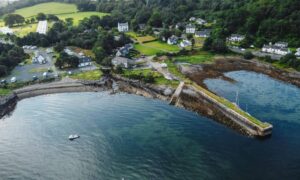
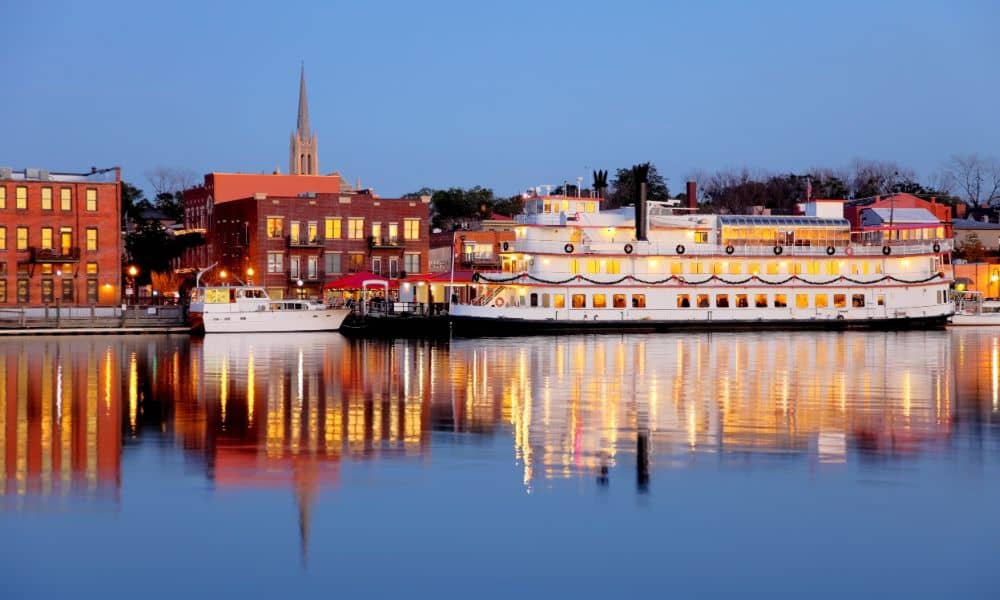
Wilmington is a coastal city. Areas near water — like Carolina Beach, Bradley Creek, or Riverlights — are more likely to flood during storms or heavy rain. Many of these neighborhoods are in FEMA-designated flood zones.
In these areas, having an elevation certificate helps:
- Show how much flood risk your home has
- Support permit applications for new construction or renovations
- Lower flood insurance rates, in some cases
Without one, you might pay more for flood insurance or have trouble with city approvals.
When You Might Need One
You may need an elevation certificate if:
- Your home is in a Special Flood Hazard Area (SFHA)
- You’re buying or selling property in a flood zone
- You’re building a new home or making changes to the foundation
- You want to lower your flood insurance costs
- FEMA flood maps have changed and your zone was updated
- You’re applying for a Letter of Map Amendment (LOMA) to remove your home from a mapped flood zone
Even if it’s not required, getting a certificate can help clarify your flood risk and make insurance decisions easier.
What the Certificate Includes
A standard elevation certificate will show:
- The flood zone your property is in
- The Base Flood Elevation (BFE)
- The elevation of your home’s lowest floor
- Photos of the building
- Notes on your home’s structure and foundation
- The licensed surveyor’s signature and certification
This document helps everyone — including insurance providers and the city — understand how your home compares to the known flood risk.
How to Get an Elevation Certificate in Wilmington
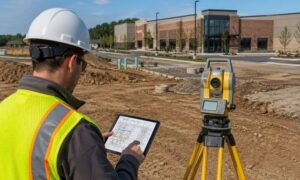
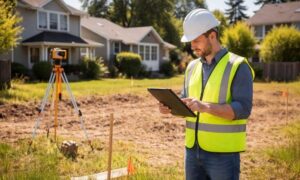
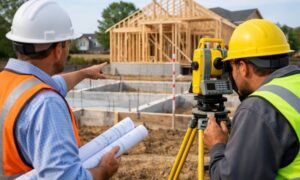
To get a certificate, contact a licensed land surveyor. They will visit your property, take measurements, and prepare the paperwork. In Wilmington, it’s helpful to choose a surveyor who is familiar with:
- FEMA flood zones
- Local rules from the City of Wilmington Planning and Development Department
- Elevation benchmarks in coastal and inland areas
The full process usually takes a few days, depending on property access and scheduling. To avoid delays with permits or flood insurance, it’s a good idea to get a FEMA elevation certificate through a licensed land surveyor familiar with Wilmington’s coastal regulations and flood zones.
How Much Does It Cost?
The price can depend on:
- The size and location of your property
- How easy it is to access your foundation
- Whether there is past survey data available
- Whether your home is elevated or on a slab
Getting this certificate once can sometimes help save money on flood insurance for many years.
Neighborhoods Where Certificates Are Common
Elevation certificates are often required in or near:
- Wrightsville Beach
- Downtown Wilmington
- Bradley Creek
- Carolina Beach
- Masonboro
- Porters Neck
These areas are either close to the ocean or rivers, or have lower land that may be at higher risk of flooding.
Final Thoughts
If you live in or near a flood zone, an elevation certificate in North Carolina may be something you’ll need for insurance, permitting, or peace of mind. It gives you and others a clear picture of how your property stands in relation to flood risk.
If you’re not sure whether your property needs one, talking with a local surveyor can help. They can check your flood zone and help you understand if a certificate is needed or helpful for your situation.