Raleigh keeps growing, and roadway design now affects daily life more than ever. One project shows this better than any other: the Complete 540 expansion. As the final section of NC-540 moves forward, engineers must solve real problems that impact traffic, nearby land, and future development. This project does not only add a new road. Instead, it pushes smarter design choices that will shape how Raleigh moves in 2026 and beyond.
A road project that affects the whole region
The Complete 540 project finishes the loop around Raleigh. Once complete, it links fast-growing suburbs with job centers and business areas. Because of that, this road does more than move cars. It supports how the city grows and how people travel every day.
At the same time, Raleigh keeps adding new residents and businesses. Traffic increases each year. As a result, engineers must design roads that work now and still perform well years from today. This pressure turns roadway design into a long-term planning tool, not a short-term fix.
Why NC-540 changes how roadway design works
In the past, many roads focused only on moving cars fast. However, the NC-540 expansion requires a different approach. Engineers must think about speed, safety, access, and growth all at once.
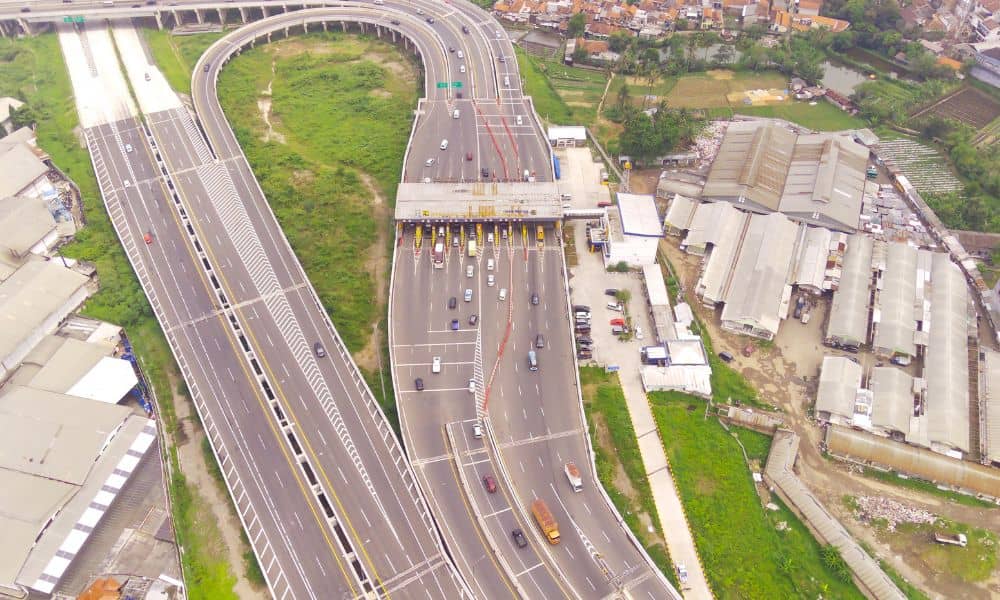
For example, where ramps and exits go matters more than ever. Too many access points cause traffic jams and crashes. Too few limit how land can be used. Because of this, roadway design teams study traffic patterns far into the future before locking in layouts.
In addition, engineers must connect NC-540 to local roads the right way. Poor connections push traffic into neighborhoods. Smart design, on the other hand, moves cars smoothly between highways and local streets. This reduces backups and keeps roads safer for everyone.
Growth pressure pushes smarter planning
Raleigh’s fast growth drives many design choices along NC-540. New neighborhoods, stores, and offices continue to pop up near the corridor. Each new project adds traffic, even before it opens.
Because of this, roadway design starts with traffic forecasts. Engineers look at where people live, where they work, and how they travel. Then they design lanes, ramps, and merges that can handle future traffic.
At the same time, land planning and roadway design now work together. Roads no longer stand alone. Instead, they support how land develops around them. When engineers and planners coordinate early, projects move faster and cost less over time.
Safety plays a bigger role than ever
Safety always matters, but large projects like NC-540 raise the stakes. High speeds, heavy traffic, and complex interchanges increase risk when design falls short.
To reduce danger, engineers focus on clear views, smooth curves, and simple driving choices. For example, longer merge lanes give drivers more time to react. Clear signs help drivers choose lanes early. Wide shoulders allow space during breakdowns or crashes.
These choices may seem small. However, together they prevent accidents and save lives. As Raleigh grows, roadway design must protect drivers, workers, and nearby communities.
What happens below the pavement matters too
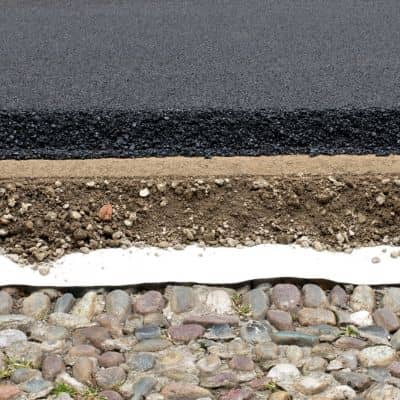
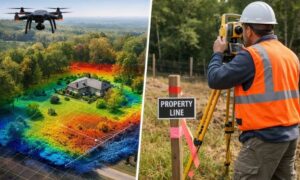
Roadway design does not stop at the road surface. Engineers also manage water, soil, and elevation changes. NC-540 crosses streams, low areas, and uneven ground. Each section creates different challenges.
Good drainage design keeps water off the road and prevents damage. Proper grading creates stable slopes and smooth driving surfaces. Soil testing ensures the road lasts for decades instead of failing early.
Because Raleigh sometimes sees heavy rain, stormwater planning plays a key role. Smart roadway design moves water safely away while protecting nearby homes and land.
What NC-540 means for future Raleigh projects
The Complete 540 expansion sets a higher standard for roadway design in the area. Cities, developers, and property owners now expect better planning and coordination.
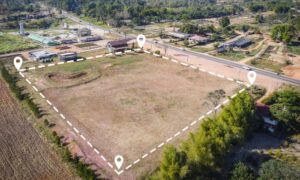
For developers, roadway impact matters earlier in the process. Access points, turning lanes, and traffic flow often affect site approval. Ignoring these details leads to delays and redesigns.
For property owners, roadway design affects access and value. A well-designed road connection improves visibility and traffic flow. A poor one causes congestion and frustration. Because of this, more people seek engineering help early instead of fixing problems later.
Why early roadway design saves time and money
Many projects struggle because roadway design starts too late. In a growing city like Raleigh, that approach no longer works. Early planning leads to better results.
When engineers join early, they help shape how a site connects to surrounding roads and traffic patterns. This kind of engineering support for roadway development allows teams to address access challenges, grading limits, and traffic flow before construction plans reach review. As a result, fewer changes happen later, and approvals move faster.
Late design changes, however, increase costs and slow schedules. The NC-540 project makes this clear. Every roadway decision affects traffic movement, safety, and long-term growth.
How drivers feel the difference
While engineers handle the details, drivers feel the results. Smarter roadway design improves commutes, reduces delays, and increases safety. Over time, better planning also supports local businesses and quality of life.
As NC-540 nears completion, drivers will notice smoother connections and fewer trouble spots. More importantly, the lessons from this project will guide future road projects across the region.
Looking ahead to 2026 and beyond
The NC-540 expansion shows how roadway design must grow with the city. Raleigh no longer builds roads just for today. Engineers now plan for safety, growth, and long-term use.
As Raleigh continues to expand, roadway design will shape how people travel, where development happens, and how communities connect. Projects like NC-540 prove that smart design today prevents bigger problems tomorrow.