
LiDAR mapping is getting a lot of attention right now. You see it in drone videos, news stories, and new tech features. Because of that, many property owners are starting to think LiDAR mapping can replace a legal land survey.
At first, that idea makes sense. LiDAR mapping creates clear images fast. The maps look clean and detailed. However, this is where confusion begins. While LiDAR mapping is a powerful tool, it does not define property ownership. That difference is important, and misunderstanding it can lead to serious problems.
Knowing how LiDAR mapping really works can help property owners avoid costly mistakes.
Why LiDAR Mapping Is Suddenly Everywhere
Over the past few years, LiDAR mapping has moved into the spotlight. Drones now carry LiDAR sensors. Cars use it to detect roads. Even phones advertise LiDAR features. Because of this, people see detailed maps created in minutes and assume the process is simple.
As a result, expectations have changed. Property owners often wonder why a survey takes time when LiDAR mapping seems quick. They think faster data means fewer steps. However, that belief skips the most important part of land surveying.
LiDAR mapping collects data. A legal survey confirms what that data means.
What LiDAR Mapping Does Well
LiDAR mapping works by sending laser pulses toward the ground. These pulses bounce back to the sensor and measure distance. Software then turns those points into surface maps and elevation models.
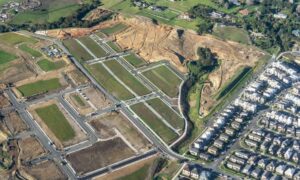
This works very well for showing land shape, slope, and surface features. In North Carolina, LiDAR mapping often helps with planning and early design work. It gives engineers and designers a clear view of the land before building begins.
Still, while LiDAR mapping measures the land’s surface, it does not explain who owns what. That missing piece causes most of the confusion.
Where Property Owners Get Confused
Many property owners trust how a map looks. Straight lines and clean edges feel official. Yet a map that looks right is not always legally correct.
LiDAR mapping does not check deeds or old plats. It does not compare records between neighbors. It also does not decide which corner markers control a boundary. Because of that, using LiDAR mapping alone can lead to wrong assumptions.
This often happens when someone plans a fence, addition, or sale. They rely on a map that looks accurate. Later, when a dispute or permit issue comes up, they find out the map has no legal standing.
Why Legal Surveys Still Matter

Legal surveys exist to clearly define property ownership. That process involves more than taking measurements.
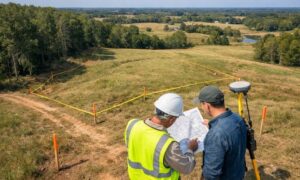
A licensed land surveyor studies records, reviews boundary descriptions, and compares documents to real conditions on the ground. When records do not match, the surveyor resolves those conflicts using state rules and experience. Most importantly, the surveyor takes legal responsibility for the results.
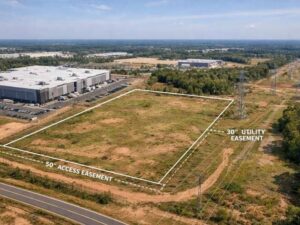
In North Carolina, many properties have older records or missing markers. In growing areas, even small boundary errors can lead to delays or disputes. In those cases, only a legal survey offers real protection.
LiDAR mapping cannot replace that role.
How LiDAR Mapping Works Best With Surveys
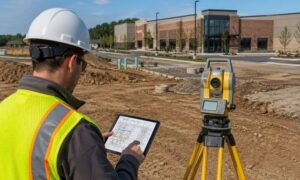
LiDAR mapping still plays an important role when used correctly. When surveyors use LiDAR data along with verified control points and legal research, the results become both fast and reliable.
This approach provides detailed elevation data while keeping boundaries accurate. It also helps larger or complex sites move forward without added risk. The key difference is guidance. Technology supports the work, but a professional surveyor directs it.
Why This Problem Is Growing Now
Technology keeps moving faster. Because of that, people expect quick answers for everything. Property ownership, however, still depends on laws and records that take time to review.
LiDAR mapping changed how land data is collected. It did not change how property rights work. When expectations rise faster than reality, confusion follows.
That is why surveyors now spend more time explaining what maps can and cannot do.
Knowing What You Need Before You Build or Buy
Most property owners do not need technical details. They just need clear answers. If a project involves permits, loans, building near property lines, or possible disputes, legal accuracy matters.
In those situations, LiDAR mapping alone is not enough. It can help support the work, but it cannot replace a legal survey.
The Bottom Line for Property Owners
LiDAR mapping is useful and impressive. Its role will continue to grow. Still, it does not define property lines, settle disputes, or protect investments by itself. The biggest mistake property owners make is trusting technology without understanding its limits.
In North Carolina, where development continues to grow, clarity matters more than speed. Using LiDAR mapping the right way—alongside a legal survey—helps projects move forward with confidence.
Technology did not remove the need for surveyors. Instead, it made their work more important than ever.