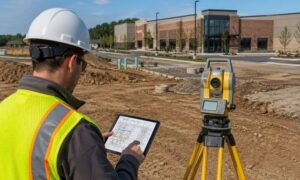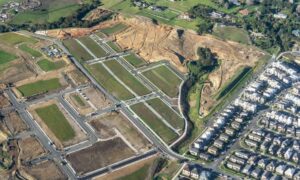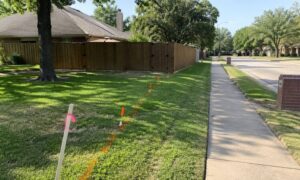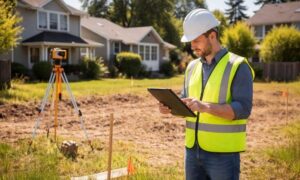
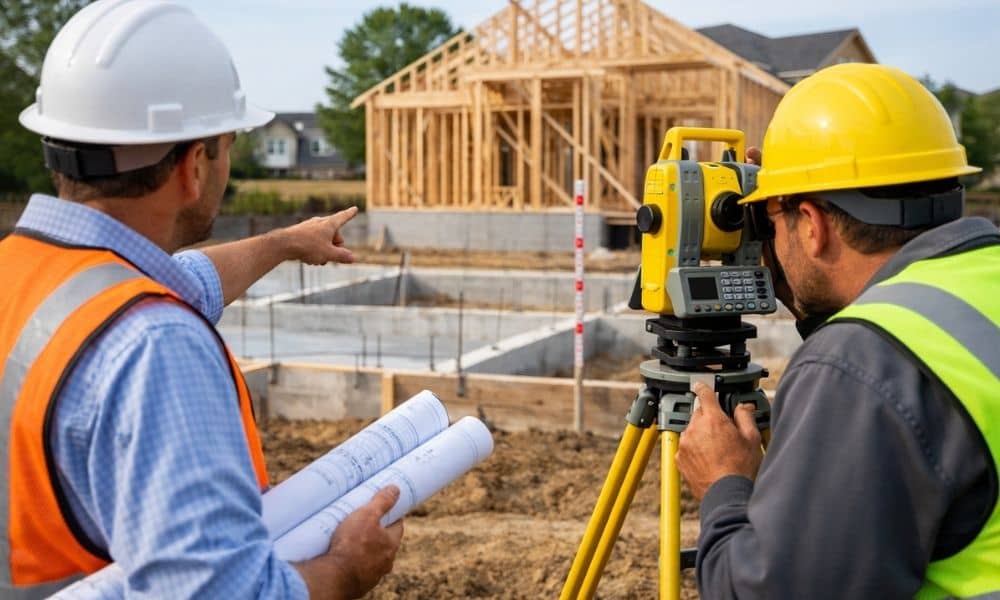
Building a new home or adding onto an existing one in Raleigh can be exciting. You might picture the rooms, the views, and walking through the finished house. But what happens before construction starts can make or break your project. Two things are very important: architectural engineering and foundation surveys. Knowing how they work together can save time, money, and stress.
Raleigh is seeing more infill projects. That means building new homes on small lots between older houses. These lots are often tight, oddly shaped, or limited by city rules. Skipping important steps can delay permits or force you to redesign your plans.
Why Raleigh Infill Projects Require Extra Attention
Infill lots in Raleigh come with special challenges. Some have odd shapes, utility lines nearby, or trees that must be kept. Other lots slope toward the street, which can create drainage problems. Close neighbors leave little space, and city rules are strict. Setbacks, height limits, and stormwater rules all matter.
Architectural engineers cannot guess in these situations. They need correct land measurements from surveys. Without this, designs may not match city rules, and permits can be delayed or denied.
What Architectural Engineering Brings to Your Project
Architectural engineering is about keeping a building safe and functional. Engineers plan how heavy loads are carried, where the foundation goes, and how every part of the building fits together. In Raleigh, engineers also follow city rules, preserve trees, and plan for drainage.
When engineers use correct survey data, they can design buildings that meet rules and fit the land. Without this, even skilled engineers might place walls or support beams in the wrong spot. That can stop a project before it begins.
The Importance of Foundation Surveys
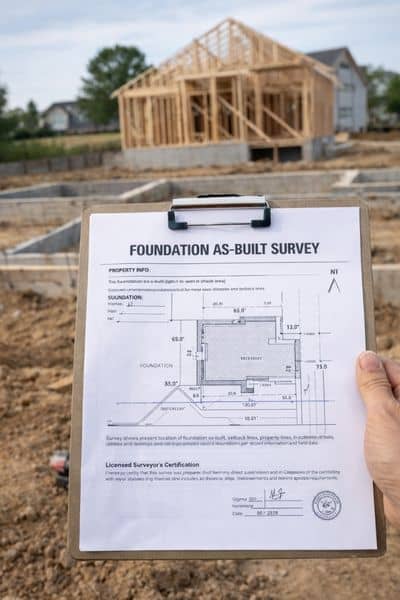
A foundation survey measures where a building’s foundation is placed. It shows that your building sits exactly where your plans say it should. This is very important in Raleigh. Even a small misplacement can break setback rules or hurt a tree that must be saved.
Foundation surveys give proof that construction matches the plans. Inspectors use this information to approve the next stage of work. If you skip this step, you could get a stop-work order, spend extra money, and lose time.
How Survey Data and Engineering Work Together
Architectural engineers need correct survey information from the start. Survey data helps them:
- Place buildings within setback and height limits
- Keep trees and easements safe
- Plan proper drainage and stormwater flow
- Fit the design to the shape of the lot
Later, a foundation survey shows the building matches the plan. This confirmation avoids delays, keeps the project legal, and moves construction along smoothly.
Real Raleigh Scenario
Think of a lot near Five Points or North Hills. On paper, the architectural plans look perfect. But the city sees a problem: the house sits too close to the north property line. The engineer thought the lot was a perfect rectangle, but it wasn’t.
Without a survey, the city could reject the permit, forcing a redesign. With survey data, the engineer could have adjusted the placement before construction started, saving time and money.
Benefits of Using Surveys with Architectural Engineering
Using survey data with architectural engineering gives many benefits. Permits move faster. Inspections go smoother. Redesigns are minimized. Builders and homeowners feel confident that the building is safe and legal. Accurate surveys also protect property value and prevent disputes with neighbors.
Survey-backed engineering ensures that the design fits the site, follows city rules, and avoids unexpected problems. This collaboration reduces mistakes and keeps your project on track.
Moving Forward with Confidence
Starting your Raleigh infill project with both survey data and architectural engineering leads to smoother approvals. Licensed surveyors provide the exact measurements engineers need. Engineers then design buildings that fit the lot perfectly and follow the rules.
For homeowners, developers, and designers, the lesson is simple: base decisions on facts, not guesses. Using accurate surveys with architectural engineering gives your project the best chance to succeed.
This approach saves time, reduces costs, and helps you build with confidence. When engineers and surveyors work together from the start, your infill project can move forward without surprises.