
A recent news story in North Carolina has drawn a lot of attention. Investigators uncovered an alleged insurance fraud sting involving damaged roofs and false claims. While most homeowners would never take part in anything like that, the case revealed something important for people across Charlotte: clear proof and accurate measurements matter more than ever. That is why property surveys are once again getting attention.
This story is not just about fraud. Instead, it highlights how poor documentation can create problems even for honest homeowners.
What the insurance fraud news really showed
Local news outlets and the North Carolina Department of Insurance reported that investigators closely reviewed roof damage claims that raised red flags. They examined photos, timelines, and physical evidence. In some cases, the damage did not match the story behind the claim.
What helped investigators was not opinion or guesswork. They relied on solid evidence. They needed to know where damage happened, when it happened, and how it related to the property itself.
That same level of proof affects everyday homeowners. Even valid insurance claims can face delays when documentation looks weak or unclear.
Why this affects normal homeowners
Many insurance claims run into trouble for simple reasons. Photos have no clear dates. Measurements come from estimates. Property lines remain unclear. Homeowners often believe phone pictures and quick measurements will be enough. However, once insurers or attorneys review the claim, those gaps cause problems.
Property surveys help close those gaps. A survey connects measurements to a specific piece of land. It removes confusion and replaces it with facts. In today’s stricter review process, facts matter.
The difference between inspections and property surveys
People often confuse inspections with surveys. Inspections focus on visible conditions, such as damage or wear. Surveys focus on location and legal boundaries.
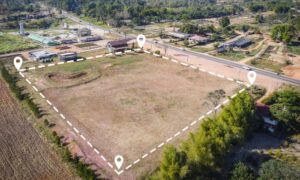
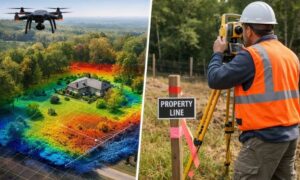
A property survey shows where structures sit in relation to property lines. It ties physical features to recorded land information. Because of this, surveys often play a key role during disputes or insurance reviews.
In claim situations, this difference matters. Inspections describe what exists. Surveys show where it exists. That distinction often shapes how a claim moves forward.
Why quick photos and DIY measurements cause trouble

Phone cameras feel easy to use. Tape measures seem accurate. Online maps look official. Still, these tools often fail when someone questions them.
Photos without location data lack context. Measurements without reference points lose meaning. County GIS maps do not show legal boundaries. When insurers investigate claims, they look for consistency and reliability.
Property surveys avoid these problems. They rely on measured data tied directly to recorded parcels. They create a clear picture that holds up under review.
How property surveys support clean insurance claims
Insurance companies want clarity. They need to know what existed before damage occurred. They want to see how structures relate to property lines. They also prefer documentation that follows accepted standards.
Property surveys provide that clarity. They define boundaries. They show where improvements sit. They reduce confusion about ownership. Because of this, claims backed by survey data often face fewer questions.
While surveys do not stop fraud, they help honest homeowners avoid delays caused by unclear records.
Why measurement evidence matters more today
Because fraud cases now receive more attention, insurers review claims more carefully. They verify dates. They compare measurements. They review how documents line up with each other.
This shift raises the bar for documentation. Property surveys meet that standard because they follow professional methods. They provide consistent results. They also create a clear record that insurers trust.
For homeowners, preparation matters. Waiting until a problem starts often leads to stress and added costs.
How property surveys help beyond insurance claims
Insurance is not the only reason surveys matter. Property surveys also protect homeowners during sales, refinances, and construction projects.
Boundary disputes remain common, especially in growing cities like Charlotte. Renovations often require permits. Lenders want certainty before closing loans. In each case, surveys reduce risk.
Rather than reacting to problems, surveys help prevent them. That preventive value explains why interest rises when property-related news makes headlines.
Why Charlotte’s growth increases the need for surveys
Charlotte continues to grow. Older neighborhoods see renovations. New developments expand into nearby areas. With growth comes more complex property situations.
Older plats may lack detail. Fences may not match property lines. Improvements might sit closer to boundaries than owners realize. These conditions increase the need for accurate documentation.
Combined with closer insurance reviews, property surveys become a smart step instead of an optional one.
What this news teaches honest property owners
The recent insurance fraud cases highlight a simple lesson: proof matters. Even honest homeowners can face problems when documentation appears incomplete.
Property surveys provide that proof. They create a clear record of what exists and where it exists. This clarity helps homeowners handle claims, sales, and disputes with more confidence.
In a time when questions come quickly, solid documentation makes a difference.
Final thoughts:
The North Carolina insurance fraud sting did more than expose wrongdoing. It reminded property owners that clear measurement and documentation shape outcomes. Property surveys sit at the center of that lesson.
For homeowners, surveys offer clarity and peace of mind. They turn assumptions into facts. They reduce risk before issues begin.
As property-related stories continue to make headlines, property surveys will stay in the spotlight. They remain one of the most reliable tools homeowners have to protect their property.