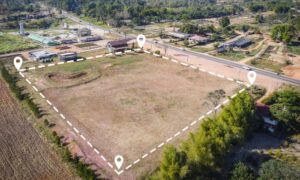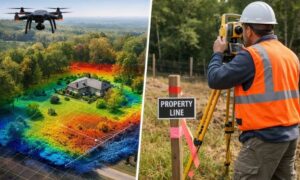
Wilmington is growing fast. New coastal growth plans are changing how land can be used, developed, and approved. Because of that, boundary line surveys now sit at the center of many property decisions. Homeowners, developers, and investors all face the same question: Where exactly does my property begin and end under the new rules? That question matters more today than it did even a year ago.
Wilmington’s Coastal Growth Plans: What Changed and Why It Matters
Local planners recently finalized long-term growth plans for the Wilmington and Cape Fear region. These plans focus on managing coastal development, protecting sensitive areas, and guiding how neighborhoods grow over time. While that sounds broad, the impact is very real at the property level.
For example, updated land-use categories and coastal overlays now shape where buildings can sit, how much of a lot can be used, and how properties qualify for redevelopment. As a result, planners want clearer proof of legal property limits before they review projects. In short, growth plans don’t just guide the future. They tighten today’s standards.
Because rules changed, assumptions no longer work. Clear boundaries now matter from day one.
Why Property Boundaries Are Under More Scrutiny Than Ever
When growth policies shift, enforcement follows. Wilmington’s planning teams now review projects with closer attention to lot size, setbacks, and buildable space. That means exact boundary information must support every plan.
In the past, many owners relied on old plats or visual markers. However, under today’s standards, that approach creates delays. Planners want current, verified boundaries. They need legal certainty before approvals move forward.
Therefore, boundary line surveys are no longer a “later” step. Instead, they often come first.
Growth Pressure Is Bringing Boundary Issues to the Surface
Wilmington’s coastal appeal keeps drawing new residents and investors. At the same time, land remains limited. That pressure leads to more redevelopment, lot adjustments, and property reuse.
Older properties face the biggest impact. Many coastal lots rely on decades-old records. Those records may not reflect how land appears today. When owners submit plans under new growth rules, boundary questions surface quickly.
As a result, property owners discover that what they thought they owned may not match what the records show. Boundary line surveys help resolve that gap before it causes problems.
Rezoning and Redevelopment Are Driving Early Survey Requests
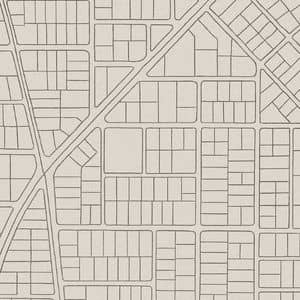
New growth plans often trigger rezoning or land-use changes. That process forces a closer look at parcel boundaries. Before any design work moves forward, planners need confirmation that a lot meets current standards.
This shift explains why boundary line surveys now happen earlier in the process. Instead of reacting to issues, owners use surveys to confirm eligibility upfront. That change saves time and reduces risk.
In addition, survey results guide design decisions. Builders can place structures with confidence, and owners can move forward without second-guessing lot limits.
Who Feels the Impact First
Several groups see the effects right away.
Homeowners planning additions often face new review standards. Even small projects may require verified boundaries before approval.
Small developers feel pressure as well. Tight coastal rules mean every square foot matters. Clear boundary data helps projects stay viable.
Investors also pay attention. Before buying property, they want proof that future plans align with current land-use rules. Boundary line surveys offer that clarity.
Finally, buyers entering competitive markets want fewer surprises. Knowing exact boundaries early prevents deal-breaking issues later.
Why Timing Matters More Than Ever
Under Wilmington’s new growth approach, timing plays a major role. Projects that stall during review often lose momentum. Redesigns cost money, and delays create stress.
Ordering boundary line surveys early helps avoid those setbacks. Verified boundaries reduce questions during planning review. They also support faster decisions from local agencies.
In today’s market, certainty saves time. And time often saves money.
What Happens When Boundaries Aren’t Verified
When owners skip early boundary verification, problems follow. Planning reviews pause. Officials request more documentation. In some cases, projects return to the drawing board.
These issues don’t happen because owners made mistakes. Instead, they reflect tighter standards tied to growth planning. As Wilmington grows, flexibility shrinks.
Boundary line surveys act as a safeguard. They give planners the confidence they need to move projects forward.
Boundary Line Surveys as a Smart Planning Tool
Many people still think of surveys as a last resort. However, Wilmington’s growth plans change that mindset. Today, boundary line surveys support smart planning from the start.
They help owners understand limits, avoid redesigns, and keep schedules on track. They also support better communication between surveyors, planners, and builders.
Most importantly, surveys help property owners move forward with confidence. In a changing coastal city, that confidence matters.
What This Trend Means for Future
Wilmington’s growth won’t slow down anytime soon. Coastal planning aims to balance development with long-term protection. That balance depends on accurate land information.
As a result, boundary line surveys will remain essential. They support fair enforcement, smarter development, and smoother approvals.
For property owners, the message is clear. Growth plans shape what you can do. Verified boundaries help you do it without delays.
Final Thoughts
Wilmington’s new coastal growth plans changed how land gets reviewed and approved. Those changes increased the need for accurate boundary information. That’s why boundary line surveys now play a bigger role than ever before.
Whether you own property, plan to build, or consider investing, understanding your boundaries early helps you move forward with confidence. In a growing coastal market, clarity keeps projects moving and protects your investment.
As Wilmington continues to evolve, one thing stays constant: knowing exactly where your property begins and ends makes all the difference.