
So, you’ve got property in Charlotte and big plans to build. Maybe it’s a custom home, a rental, or even a small business space. Exciting, right? But here’s the catch: if you jump straight into design or construction without a land planning strategy, you might be setting yourself up for headaches.
Charlotte isn’t the same city it was ten years ago. It’s booming. With new zoning rules, stormwater limits, and neighborhood restrictions, building isn’t as simple as just pouring concrete. Without a plan, you could face delays, extra costs, or even a stop-work order. That’s why land planning isn’t just “nice to have.” It’s your first step to building smart.
What Land Planning Really Means
So, what exactly is land planning? Think of it as your game plan before construction. It’s not just about maps or permits it’s about making sure your land, your design, and the city’s rules all play nice together.
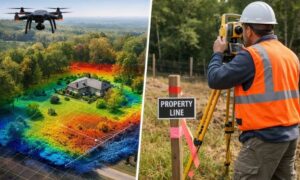
A surveyor shows you the boundaries. An engineer checks the slope, the soil, and how water moves across your lot. Together, they spot problems before they turn into money pits. Without this step, you’re building blind.
Why Charlotte Property Owners Can’t Skip Land Planning
Complex Local Rules
Here in Charlotte, rules are everywhere. Setbacks, building heights, and drainage—every project has hoops to jump through. Even adding a backyard deck can require permits. Skip the planning, and the city could shut you down. Imagine hiring contractors, paying deposits, and then hearing: “Sorry, you can’t build that here.”
Land Challenges in Charlotte

Charlotte’s land looks simple at first glance, but dig deeper and you’ll find surprises. We’ve got sticky red clay, sloped lots, and flood-prone creeks. All of these can wreck a project if you don’t plan ahead.
Take Little Sugar Creek, for example. Owners bought land near it, designed a dream build, but then found out the site needed major grading because of flood risk. Without planning, they nearly wasted thousands on a design they couldn’t use.
Saving Money Before Problems Start
Here’s the truth: planning costs money up front, but it saves way more in the long run. A few thousand dollars spent on planning can prevent tens of thousands in rework. Think about it, would you rather pay $5K now or $25K later to fix mistakes?
What Goes Into a Land Planning Strategy
Step One: Site Analysis and Surveys
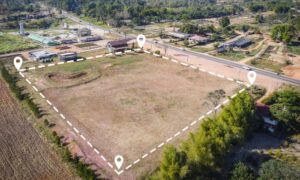
This is where it all begins. A boundary survey shows you where your land starts and ends. A topographic survey tells you about slopes, trees, and dips in the ground. Soil testing reveals if your land can handle the build. With these in hand, you know exactly what you’re working with.
Step Two: Zoning and Compliance
Next, check the rules. Charlotte has overlays, historic zones, and use restrictions that can trip you up fast. Building in Dilworth? Expect more regulations than in Ballantyne. By reviewing zoning early, you avoid wasting money on designs that won’t pass approval.
Step Three: Utilities and Access
Ever thought about where your driveway goes? Or how far your sewer line needs to run? These details matter. A suburban lot in Ballantyne might mean long utility runs. An Uptown property could need special driveway permits. Planning ahead for site planning in Charlotte saves money on utility placement because engineers can map driveways, sewer lines, and water hookups before you build. That way, you avoid tearing up finished work later or paying extra for rerouting utilities.
Step Four: Stormwater and Environment
Charlotte takes stormwater seriously. If your project ignores runoff, it won’t pass. That’s why engineers design grading, ponds, or even green solutions to meet codes. This step keeps your property safe and your permits moving.
Who Really Needs Land Planning?
Honestly—everyone.
- Homeowners who want remodels or additions that won’t get shut down.
- Developers who want projects to move faster and avoid rezoning fights.
- Business owners who need parking, drainage, and access approved before opening doors.
No matter who you are, planning makes your project smoother.
Your Next Steps in Charlotte
So, how do you get started?
- Bring in a surveyor and civil engineer early. Don’t wait until after you design.
- Check zoning right away. Know the rules before you spend on plans.
- Budget for planning. Treat it like a must-have, not an extra.
- Work with local pros. Charlotte experts know the city codes and the permit offices.
These steps keep your project on track, on budget, and far less stressful.
Conclusion
Charlotte is growing faster than ever. That means more opportunities but also stricter rules. A land planning strategy protects your investment. It makes sure you don’t waste time, money, or energy fixing avoidable mistakes.
So before you break ground, ask yourself: do I have a plan? If the answer is no, now’s the time. Work with local experts, and you’ll build smarter, faster, and with more confidence.