If you plan to build in the Raleigh area, you need to understand one thing first: land entitlements now carry more risk than ever before. That’s why it helps to know how land entitlements work in Raleigh before you even start planning a project.
Recently, a proposed data center project in Apex, just outside Raleigh, faced strong pushback from nearby residents. People raised concerns about power use, water demand, and how the project would change the area. Because of that, the developer pulled back key applications tied to land entitlements, including rezoning and annexation.
At the same time, local leaders began discussing limits on similar projects.
So while this may sound like just one project, it actually tells a bigger story. It shows that land entitlements in Raleigh are shifting. And more importantly, they are no longer as predictable as they once were.
Why This Matters for Land Entitlements in Raleigh
For years, many developers followed a simple mindset. If the project met zoning rules and fit the land, approval would likely follow. However, that approach no longer works the same way.
Today, land entitlements involve more than technical compliance. Community input plays a larger role, local governments take a closer look at long-term impact, and infrastructure limits can affect whether a project moves forward. Because of that, projects can stall even when they appear strong on paper.
One way developers handle this uncertainty is by having detailed surveys done early, surveying for land entitlements helps them understand exactly what they’re working with and plan for potential obstacles.
The Apex situation proves this point: even a large, well-funded project faced delays because the entitlement phase became uncertain, showing just how important it is to know your site inside and out before moving forward.
Understanding Land Entitlements

Before going further, it helps to understand what land entitlements really mean.
In simple terms, land entitlements are the approvals you need before you can build.
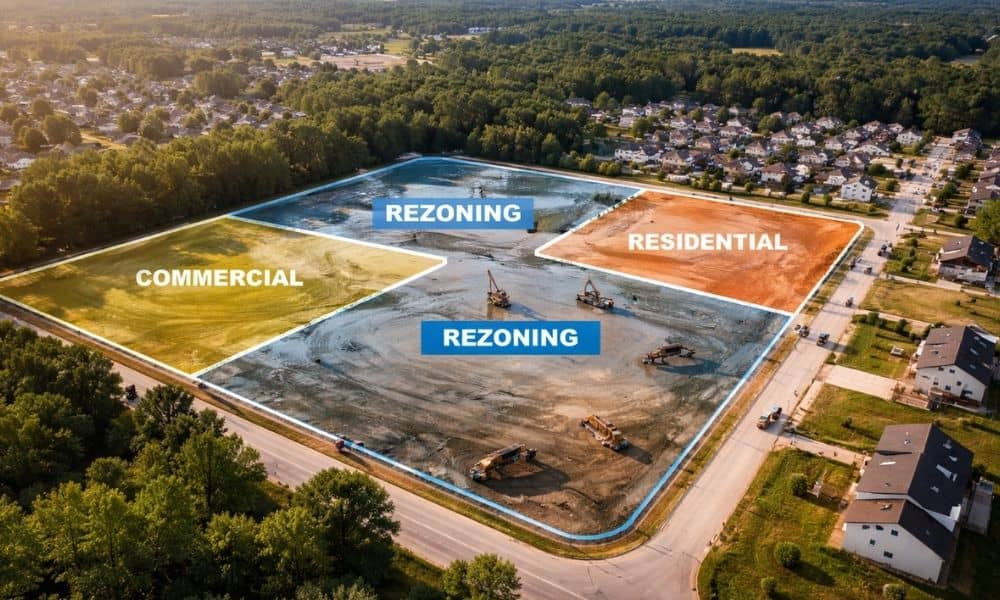
In the Raleigh area, this often includes bringing land into city limits, adjusting zoning to match your plan, and gaining approval for how the site will be developed. Along the way, public meetings allow neighbors to speak and share concerns.
So even if you own land, you still need permission to use it the way you want.
That is why this stage matters so much. Without proper entitlements, a project cannot move forward.
A New Reality for Developers and Property Owners
The Apex pushback highlights a major shift. Land entitlements now depend on more than just plans and drawings.
First, community voices carry more weight. Neighbors no longer stay quiet. Instead, they attend meetings, raise concerns, and organize support. Because of that, public opinion can shape outcomes in a big way.
Next, infrastructure limits come into play. As Raleigh continues to grow, systems like power, water, and roads face more pressure. Cities must think about long-term capacity, not just current needs.
At the same time, local rules can change quickly. One project can lead to new policies or even temporary pauses on approvals. So what worked before may not work today.
All of this means one thing. Land entitlements now involve more moving parts, and each part can affect your timeline.
The Risk Most People Overlook
Many people focus on construction when they think about development. They worry about cost, materials, and design. However, the real challenge often comes earlier.
The biggest risk sits in the land entitlement process.
You might buy a property that looks perfect. The location works. The size fits your plan. The zoning even seems close to what you need.
However, once you begin the process, things can change. You may face delays, added conditions, or even rejection. Meanwhile, time passes and costs add up.
Because of that, land entitlements now shape the success of a project more than construction itself.
Why the Apex Situation Feels So Relatable
You do not need to build a data center to feel this impact.
In fact, the same issues apply to many types of projects across Raleigh.
A small commercial site can face pushback from nearby homes. A residential project may run into concerns about traffic or density. Even a simple land use change can draw attention from the community.
That is why the Apex story matters. It reflects what many property owners and developers now experience at different scales.
The details may change, but the pattern stays the same. The path to approval has become more complex.
Moving Forward in a More Complex Entitlement Environment
So what does this mean if you want to develop land?
It means you need to approach land entitlements with more care from the start.
You can no longer rely on assumptions. Instead, you need a clear understanding of how your project fits within local rules, community expectations, and infrastructure limits.
At the same time, timing matters more than ever. Since approvals can take longer, planning ahead becomes essential.
Working with experienced professionals early also makes a difference. When you understand risks before they grow, you can adjust your plan and avoid costly delays.
Because of that, the right approach is not just about meeting requirements. It is about anticipating challenges before they appear.
A Turning Point for Land Entitlements in Raleigh
The Apex data center pushback marks a turning point. It shows that growth in the Raleigh area comes with new expectations.
Cities want to manage impact. Communities want a voice. Developers must adapt to both.
As a result, land entitlements are no longer just a step in the process. They are the foundation of the entire project.
If that foundation is strong, the project can move forward. If not, everything else stops.
Final Thoughts
Land entitlements in Raleigh are changing, and the Apex situation makes that clear.
Today, success depends on more than owning land or having a good design. It depends on how well you navigate the approval process from the very beginning.
So if you are planning a project, start there.
Take the time to understand land entitlements, think through potential challenges, and prepare for a process that requires more than just meeting basic rules.
In the end, the projects that succeed are not just built well. They are approved with confidence.