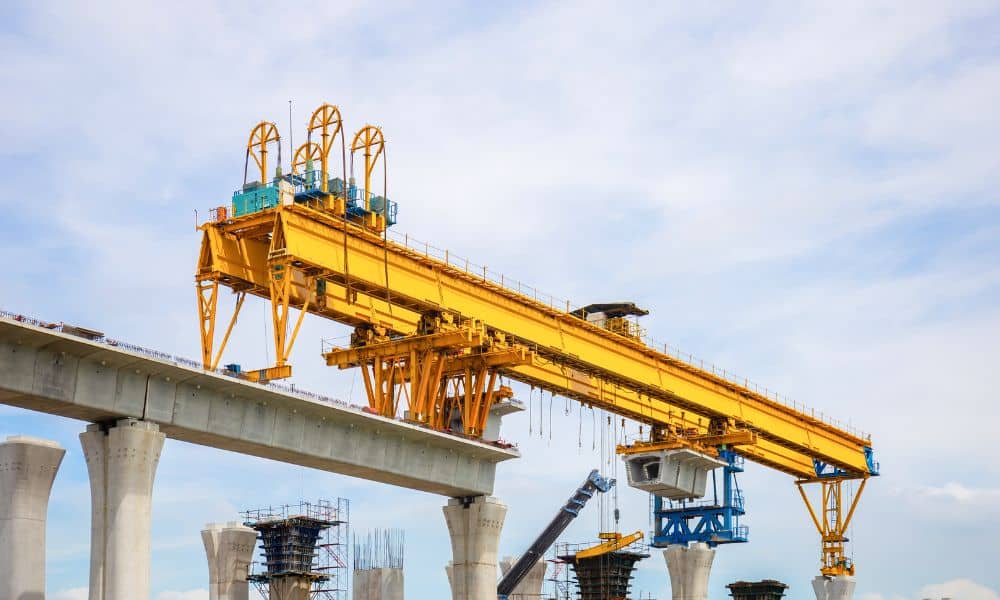
Charlotte is entering a major new phase. After voters approved the $19.4 billion transit plan, the city is ready for its biggest upgrade yet. Roads will widen, new rail lines will link neighborhoods, and more people will move around the Queen City than ever before. And with all this growth, one thing is clear — traffic study work will skyrocket.
The Transit Plan That Changes Everything
The new plan, funded by a one-cent sales tax, will power big transportation projects for the next 30 years. It includes new light rail extensions, road upgrades, better bus service, and more bike and walking paths.
That’s exciting for Charlotte residents, but it also means more pressure on roads. Each new train crossing, bus route, or mixed-use project will need its own traffic check before construction starts. That’s where civil engineering firms come in.
A traffic study is one of the first steps in planning. It looks at how a project will change traffic flow, safety, and travel times. With Charlotte’s massive transit plan moving forward, these studies will shape how people get around the city safely and efficiently.
Why Traffic Studies Are Suddenly in Demand
Before construction begins, engineers must find out how new roads or rail lines affect nearby traffic. A traffic study collects real data — car counts, stoplight timing, and pedestrian activity — and tests how future changes will impact flow.
This new transit plan touches almost every part of the city. That means many new intersections and driveways will need review. Even smaller developments near bus or rail routes will likely need updated traffic reports to meet city and NCDOT rules.
Another reason demand is growing? Timing. Recent updates from the Charlotte Observer show the city is forming a regional transit board to manage funding and project schedules. Once that’s in place, design work will move quickly. Civil engineering companies that already have traffic data ready will have a major advantage when bids open.
What This Means for Civil Engineering Companies
For the engineering community, this is more than just big news — it’s an opportunity. Firms that focus on roadway design, stormwater, or permitting can expand their reach by adding traffic analysis services.
When you handle traffic studies early, you become part of the project’s foundation. You help guide:
- Road widening and signal upgrades
- Access and safety design around transit stops
- Site plans for new developments near stations
- Parking and pedestrian flow strategies
A traffic study is where planning meets real-world data. Firms that invest now in skilled transportation engineers and modern software will be ready when the city starts awarding contracts.
Early Action Helps Developers Too
Developers shouldn’t wait for the city to finish every detail. Getting a traffic study early can make approvals smoother.
Here’s why:
- Faster approvals: The Land Development team often needs traffic data before signing off on site plans.
- Less redesign: When engineers know traffic patterns early, they can fix issues with driveways, turn lanes, or access roads before they become costly.
- Better teamwork: Coordinating early with roadway and drainage engineers keeps designs aligned and avoids conflicts later.
In short, early traffic data saves both time and money — and it helps projects get moving faster.
The Human Side of Engineering Growth
Behind every traffic plan is a bigger goal: keeping people safe and helping Charlotte grow wisely. Engineers aren’t just working with numbers — they’re shaping how the city lives and moves.
The new Silver Line and Red Line projects will bring thousands of hours of collaboration between roadway, traffic, and structural engineers. That means more jobs, more mentoring for young professionals, and more chances to build a long-term career in infrastructure.
Charlotte’s growth needs engineers who understand both design and community impact. This is their time to shine.
The Bigger Picture Across the U.S.
Charlotte isn’t the only city investing in transit. Across the country, voters approved over $11.8 billion in new projects this year. From Phoenix to Atlanta, more cities are expanding, and the need for traffic engineers keeps growing.
But Charlotte stands out. Older roads now face modern traffic, and the city’s population continues to climb. This combination creates a perfect storm for innovation — with civil engineers leading the way.
For firms of any size, now is the time to get involved. Whether it’s a new corridor, a subdivision, or a downtown site plan, traffic study expertise will be at the heart of every project.
How Firms Can Prepare
Here’s how firms can get ready for what’s ahead:
- Train staff on the latest Charlotte and NCDOT traffic study guidelines.
- Use better tools like Synchro or VISSIM to model different traffic conditions.
- Partner up with geotechnical, drainage, or public involvement teams for bigger bids.
- Track city meetings so you can be among the first to respond when RFPs are announced.
These steps will help firms compete and build a strong local reputation as transit work begins.
Looking Ahead
Charlotte’s next decade will be defined by how it handles growth and movement. Roads, rails, and walkways will evolve — and engineers will lead that change.
As the city’s new transit board rolls out projects, traffic study work will come first. It’s the quiet but crucial step that shapes every smart infrastructure plan. For the civil engineering community, this is the moment to plan, prepare, and build the future of how the city moves.