
Charlotte is building up fast. New towers, mixed-use projects, and dense developments keep reshaping the skyline. Yet while cranes rise higher, stormwater design often lags behind. In dense urban sites, rain still falls the same way, but the space to manage it keeps shrinking. Because of that, many projects now face delays, redesigns, and added costs tied to water control.
Building taller changes how water behaves
High-rise construction changes the ground game. Large roofs collect huge volumes of rain and send it to a few discharge points. At the same time, podium decks, parking garages, and tight setbacks reduce open ground. As a result, runoff moves faster and concentrates in smaller areas. Traditional assumptions no longer work.
Moreover, older neighborhoods were not designed for today’s density. Pipes sized decades ago now receive more water in less time. Even when a site meets code, downstream systems can struggle. Therefore, stormwater design must consider both on-site control and off-site capacity from day one.
Space limits push systems underground
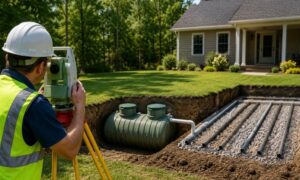
In suburban projects, designers often rely on surface ponds, swales, or open channels. In urban towers, those options rarely exist. Instead, teams must place storage below ground. Vaults under garages, tanks beneath plazas, and controlled roof drains become the norm.
However, underground solutions raise the stakes. They cost more, demand precise coordination, and allow little room for error. If designers place a vault too late in the process, it can clash with columns, ramps, or utilities. Consequently, projects face redesigns that hit budgets and schedules hard.
Deep foundations compete with drainage
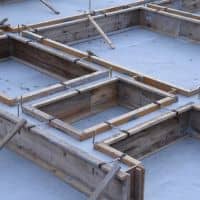
Tall buildings need strong foundations. Caissons, piles, and mat slabs extend deep and spread wide. Storm pipes need slope and space. When teams design these systems in silos, conflicts follow.
For example, a pipe that looked fine on paper may lose slope once the foundation layout locks in. Then the team must reroute lines or add pumps. Both options add cost and complexity. Therefore, stormwater design must coordinate closely with structural and geotechnical plans early—not after drawings near completion.
Aging infrastructure meets modern runoff
Many parts of the city rely on storm systems built long before today’s towers. These networks expected smaller buildings and slower runoff. Now, high-rise roofs can release large volumes quickly, even with controlled outlets.
Because of this, local connection limits often shape site design. Engineers must throttle discharge, add storage, or rethink layouts to protect downstream lines. When teams ignore these limits, reviews stall and approvals slow. Early analysis avoids that pain.
Why timing matters more than ever
Timing drives success. When stormwater design starts late, it reacts to constraints instead of guiding decisions. When it starts early, it shapes the project for the better.
Early coordination helps teams:
- Place storage where it actually fits
- Protect pipe slopes and access
- Align roof drainage with structural grids
- Meet city limits without last-minute fixes
As a result, projects move smoother from concept to permit to construction.
Modern tools support smarter decisions
Today’s firms use better tools to handle complex sites. Three-dimensional modeling helps teams see conflicts before they happen. Runoff simulations tied to building massing show how design choices change water flow. With these tools, teams test options early and choose the best path.
In addition, integrated models improve communication. Architects, engineers, and contractors see the same picture. Because everyone works from one source, coordination improves and surprises drop.
What developers and managers should ask early
Developers and project managers play a key role. By asking the right questions early, they reduce risk later.
Ask things like:
- Where will roof runoff discharge, and at what rate?
- How much on-site storage can we realistically fit?
- Do nearby systems handle our release, or do we need limits?
These questions keep stormwater design front and center. They also protect schedules when timelines feel tight.
Stormwater design shapes what can be built
In dense cities, water control now acts as a gatekeeper. It influences building size, layout, and cost. Projects that ignore this reality struggle. Projects that respect it succeed.
As the skyline grows, successful teams treat stormwater design as a planning tool, not a final checkbox. They see water early, plan for it honestly, and build with confidence.
Building up responsibly
Charlotte’s high-rise boom shows no sign of slowing. With growth comes responsibility. Rain does not care about renderings or deadlines. It follows gravity and space.
When teams plan stormwater design early and coordinate it well, projects move faster and perform better. They avoid delays, protect infrastructure, and support long-term growth. In a dense urban future, that approach makes all the difference.