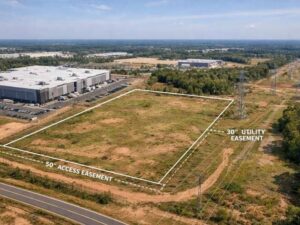
If you’re building, buying, or renovating in Charlotte, NC, knowing your exact property lines is a must. A boundary survey in Charlotte, NC can help you avoid costly zoning violations and legal issues with neighbors. Whether you’re planning a new fence in NoDa, buying a home in Ballantyne, or developing land near University City, a survey gives you the facts before you move forward.

What Is a Boundary Survey?
A boundary survey is a detailed map of your property’s legal boundaries. Licensed surveyors use deeds, plats, and physical measurements to show where your land starts and ends. The survey includes markers (like iron pins or stakes) placed at corners and along property lines.
Why It Matters in Charlotte, NC
Zoning Can Get Complicated
Charlotte’s zoning rules vary by district — what applies in South End may not apply in Steele Creek. Property lines can affect:
- Setback requirements (how far buildings must be from the street or neighbor)
- Accessory structures (like sheds or ADUs)
- Permitted uses (residential, commercial, etc.)
If you build or renovate without understanding your exact lot boundaries, you may end up violating local codes.
Charlotte Has Dense and Varied Land Use
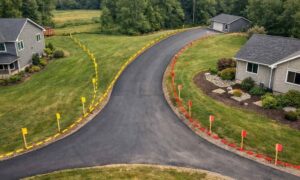
Older neighborhoods like Plaza Midwood may have unclear or outdated plat maps. Newer areas like Highland Creek are more standardized — but even there, minor encroachments (like a fence or driveway) can lead to disputes.
Property Development Is Growing Fast
As Charlotte continues to expand, land is being subdivided and rezoned rapidly. A boundary survey is often required before permits are issued or development plans are approved.
Common Issues a Boundary Survey Helps Prevent
1. Encroachments
These happen when part of a building, fence, or driveway crosses onto someone else’s property — often by mistake. This is common in tight-lot areas like Dilworth or Elizabeth.
2. Misunderstood Lot Lines
Without a survey, neighbors might assume a tree, mailbox, or retaining wall is on one side of the line when it’s actually on the other.
3. Permit Delays
The City of Charlotte may require a boundary survey before issuing a permit for construction, especially for additions, garages, or new structures.
4. Title Issues During Sale or Purchase
If you’re buying or selling land, an accurate survey can uncover overlaps, easements, or other red flags that impact ownership or value.
When Should You Get a Boundary Survey?
You should consider one if:
- You’re buying a home, especially in older or crowded neighborhoods
- You plan to build near the edge of your lot
- You’re installing a fence or retaining wall
- You received a zoning notice or neighbor complaint
- You’re selling land and want to avoid buyer disputes
What Happens During the Survey?
Step 1: Research
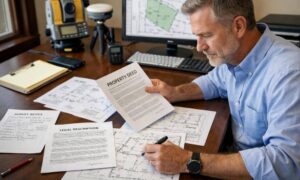
The surveyor reviews your property deed, existing plats, and county records.
Step 2: Field Work
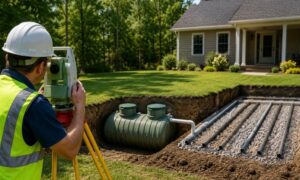
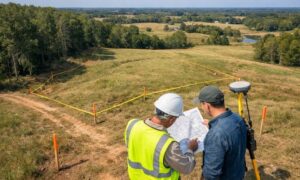
They visit the site to measure distances, angles, and features using professional equipment.
Step 3: Marking & Mapping
Corners and boundaries are marked, and a detailed map is created. This map includes structures, encroachments, easements, and more.
You can use this document to apply for permits, resolve disputes, or close on a sale.
Areas in Charlotte Where Boundary Surveys Matter Most
Some neighborhoods have more frequent boundary issues due to age, density, or terrain:
- Plaza Midwood & Elizabeth – older plats and close lot lines
- Ballantyne & South Charlotte – expanding subdivisions and new development
- NoDa & North Charlotte – mixed-use areas where zoning varies block by block
- West End & West Charlotte – land redevelopment and subdivision activity
- University City – student housing, condos, and changing lot lines
Final Thoughts
Getting a boundary survey in Charlotte, NC can save you time, money, and stress. Whether you’re planning a project, buying property, or simply want clarity on your land, a boundary survey gives you confidence in what you legally own — and what you can legally do with it.
Need help getting started? A local licensed land surveyor can walk you through the process and help ensure your plans stay within the lines.