
Have you ever wondered who plans and builds the roads you use every day? The person behind it is called a transportation engineer. These engineers make sure roads are safe and work well for everyone. In Raleigh, where more people are moving in every year, transportation engineers help fix traffic problems and keep everyone safe on the road.
What Does a Transportation Engineer Do?
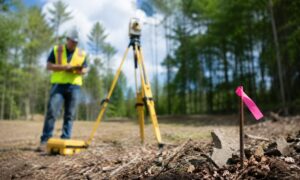
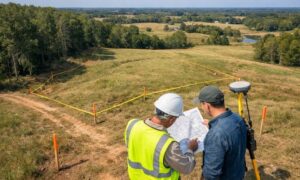
A transportation engineer studies how people travel around the city. They watch how many cars, buses, bikes, and pedestrians use the roads. Then, they use this information to plan and design better roads, traffic lights, and sidewalks. They also figure out which parts of the road need fixing or improvement.
For example, if a certain intersection in Raleigh has many car accidents or long wait times, a transportation engineer will find ways to make it safer and faster. This might include adding stop signs, traffic lights, or even changing the road layout.
Raleigh’s Transportation Problems
Raleigh is a growing city. More people means more cars on the roads. This can cause traffic jams, especially during rush hours when people go to work or school. Also, as new neighborhoods are built farther from the city center, people need better roads to travel safely and quickly. A transportation engineer studies these traffic and weather challenges to create safer, more efficient roads for everyone.
Besides traffic, Raleigh’s weather can sometimes make roads dangerous. Rain and storms can make the roads slippery, leading to accidents. Transportation engineers study these challenges carefully so they can design roads that handle traffic safely in all weather conditions.
How Transportation Engineers Design Efficient Roads

Transportation engineers use special computer programs to help plan roads. These programs show how traffic will move if they make changes like adding lanes or changing traffic light timing. By studying this, engineers find the best ways to reduce traffic jams.
For example, in Raleigh, engineers may suggest adding extra lanes on busy highways or creating new routes to help cars avoid traffic. They also work to make sure roads connect well with buses, bike paths, and sidewalks. This way, people have many ways to travel, not just by car.
How Transportation Engineers Keep Roads Safe
Safety is very important. Transportation engineers design roads to protect drivers, cyclists, and pedestrians. They add signs that tell drivers to slow down, crosswalks for people to cross streets safely, and bike lanes for cyclists.
In Raleigh, engineers look at accident reports to find dangerous spots. Then, they add safety features like better lighting, speed bumps, or barriers to reduce accidents. They also make sure roads meet safety rules set by North Carolina and the federal government.
Working Together with the Raleigh Community
Transportation engineers don’t work alone. They work closely with city officials, planners, and the people who live in Raleigh. They often hold meetings where community members can share their ideas and concerns about local roads.
By listening to the community, transportation engineers can design roads that truly fit the needs of Raleigh’s residents. This teamwork helps make sure new projects make the city safer and easier to travel in.
Using Technology to Make Roads Better
Transportation engineers use many new technologies to plan roads better. They use mapping tools like Geographic Information Systems (GIS) to study Raleigh’s roads and neighborhoods. They also use traffic simulation software to predict how changes will affect traffic.
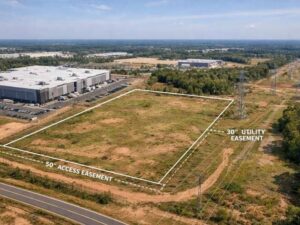
Sometimes, engineers use drones to take pictures from above and get a better view of roads and construction areas. Raleigh is also working on smart city projects. These projects use sensors and data to control traffic lights, helping cars move through busy intersections more smoothly.
How Better Roads Help Raleigh’s Economy
Good roads are good for Raleigh’s economy. When traffic moves well and roads are safe, people spend less time stuck in traffic and less money fixing cars from accidents. This saves money for families and businesses.
Also, businesses like to open shops or offices in places with good transportation. So, transportation engineers help make Raleigh a great place for companies and workers. As the city grows, having efficient and safe roads attracts more people to live and work here.
Planning for the Future of Raleigh’s Roads
Transportation engineers are not just solving today’s problems—they are planning for the future. Raleigh’s population is expected to keep growing, so engineers design roads that will work for many years. They also plan for new technologies like electric cars and self-driving vehicles. To support ongoing improvements, Raleigh invests in smart transportation infrastructure designed by expert engineers.
By thinking ahead, transportation engineers help Raleigh build roads that are ready for the future. This means safer, cleaner, and faster travel for everyone.
Conclusion
In conclusion, a transportation engineer plays an important role in making Raleigh’s roads efficient and safe. They study how people travel, design smart roads, and work closely with the community. Thanks to their work, traffic moves better, accidents decrease, and Raleigh continues to grow as a great place to live and work. As the city grows, transportation engineers will keep working hard to build better and safer roads for everyone.